Karl Marx-Hof1919-2015
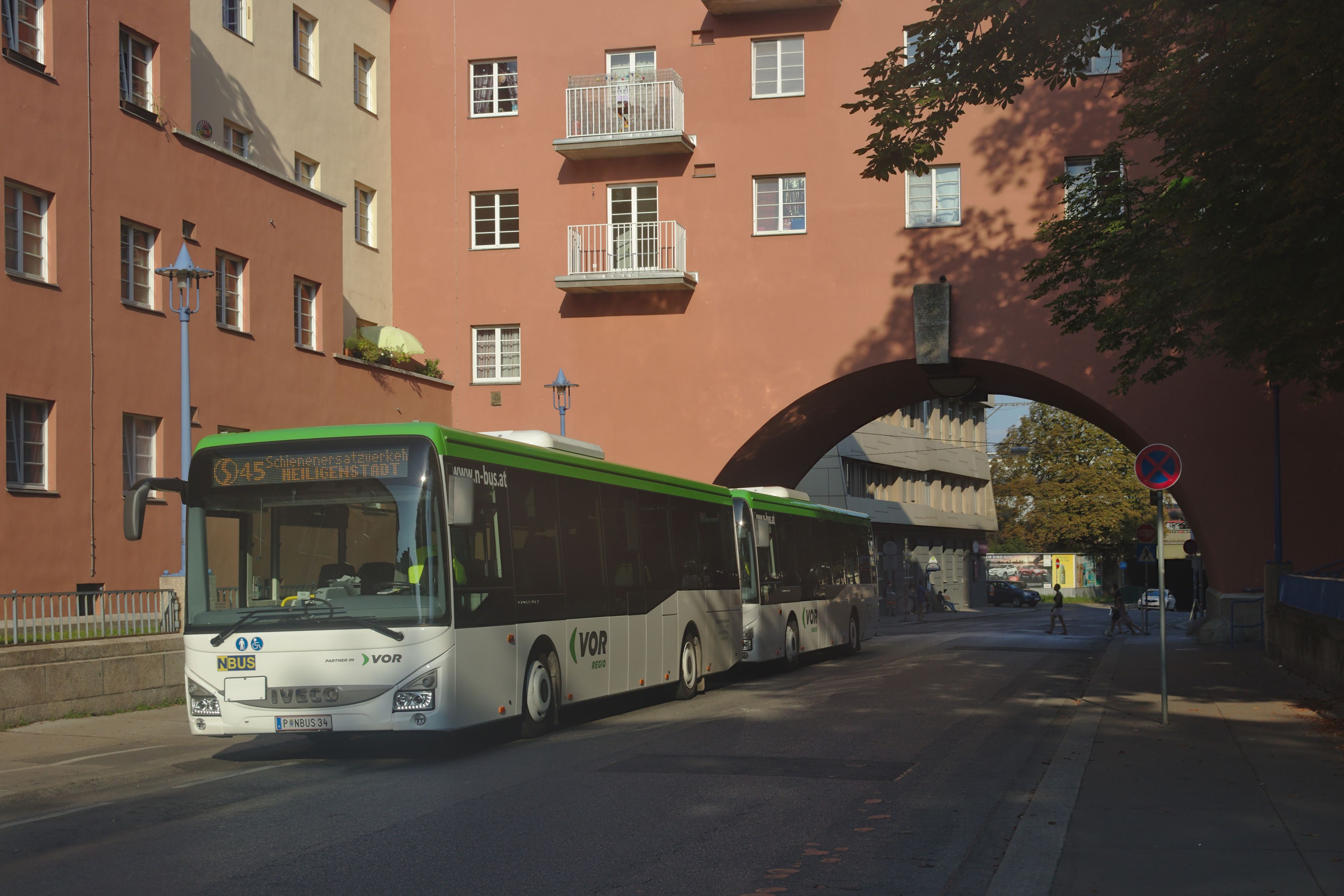
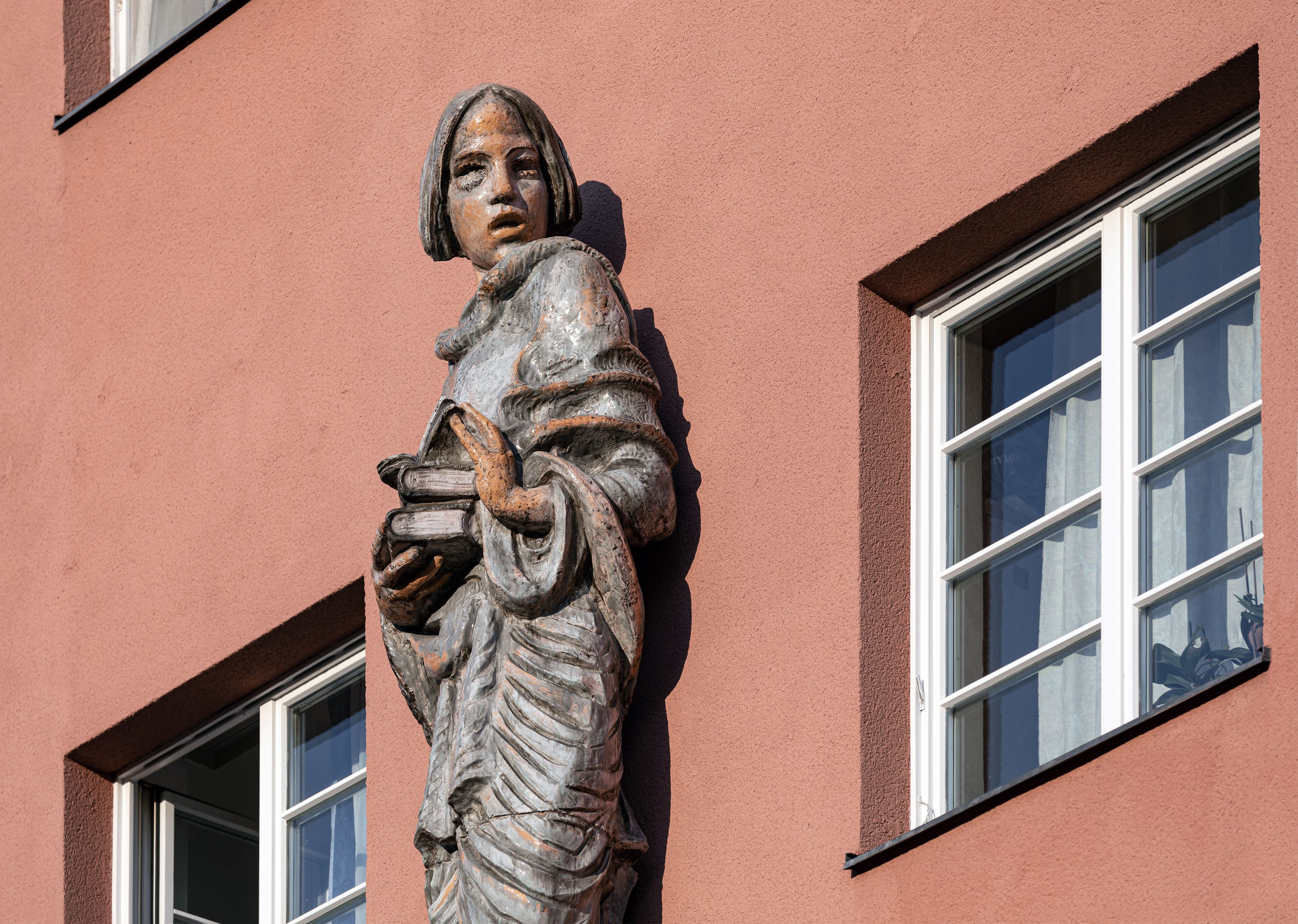
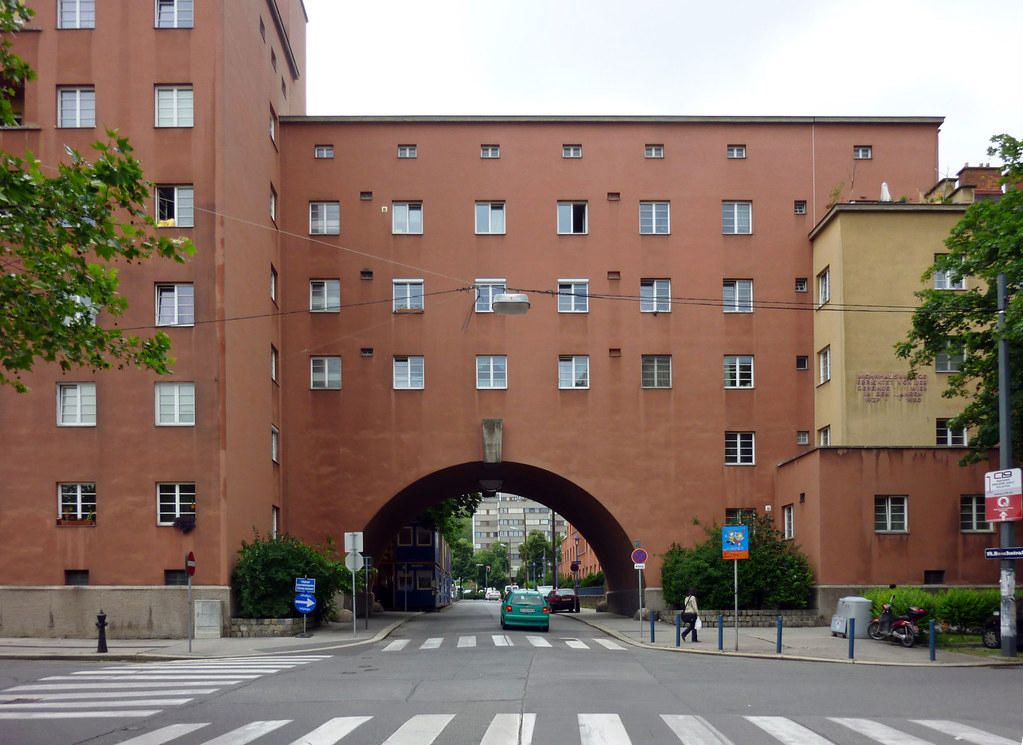
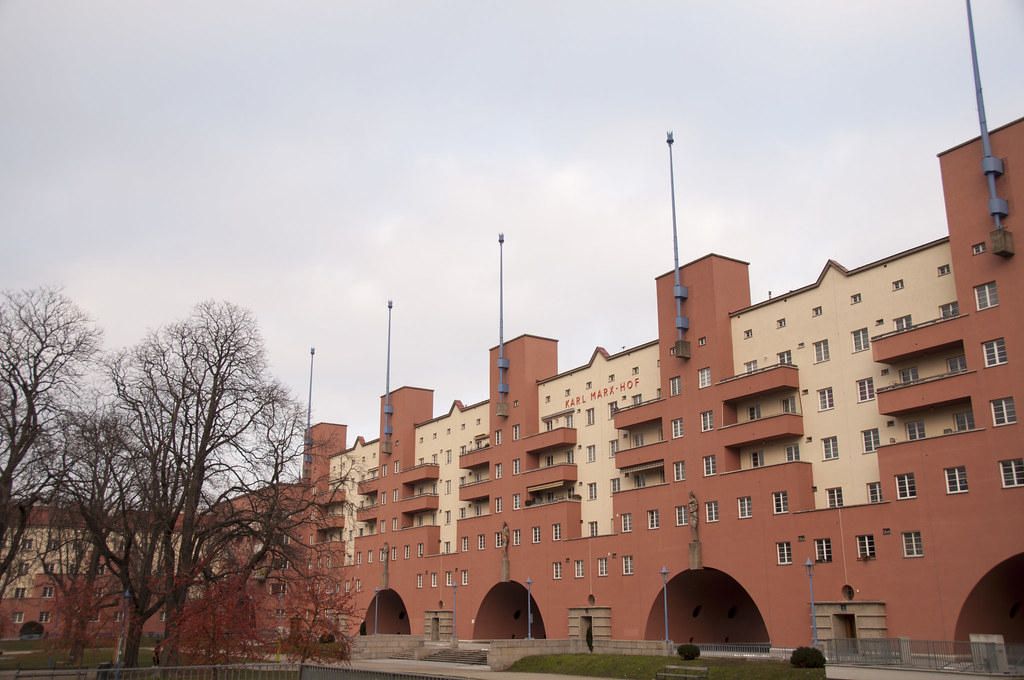
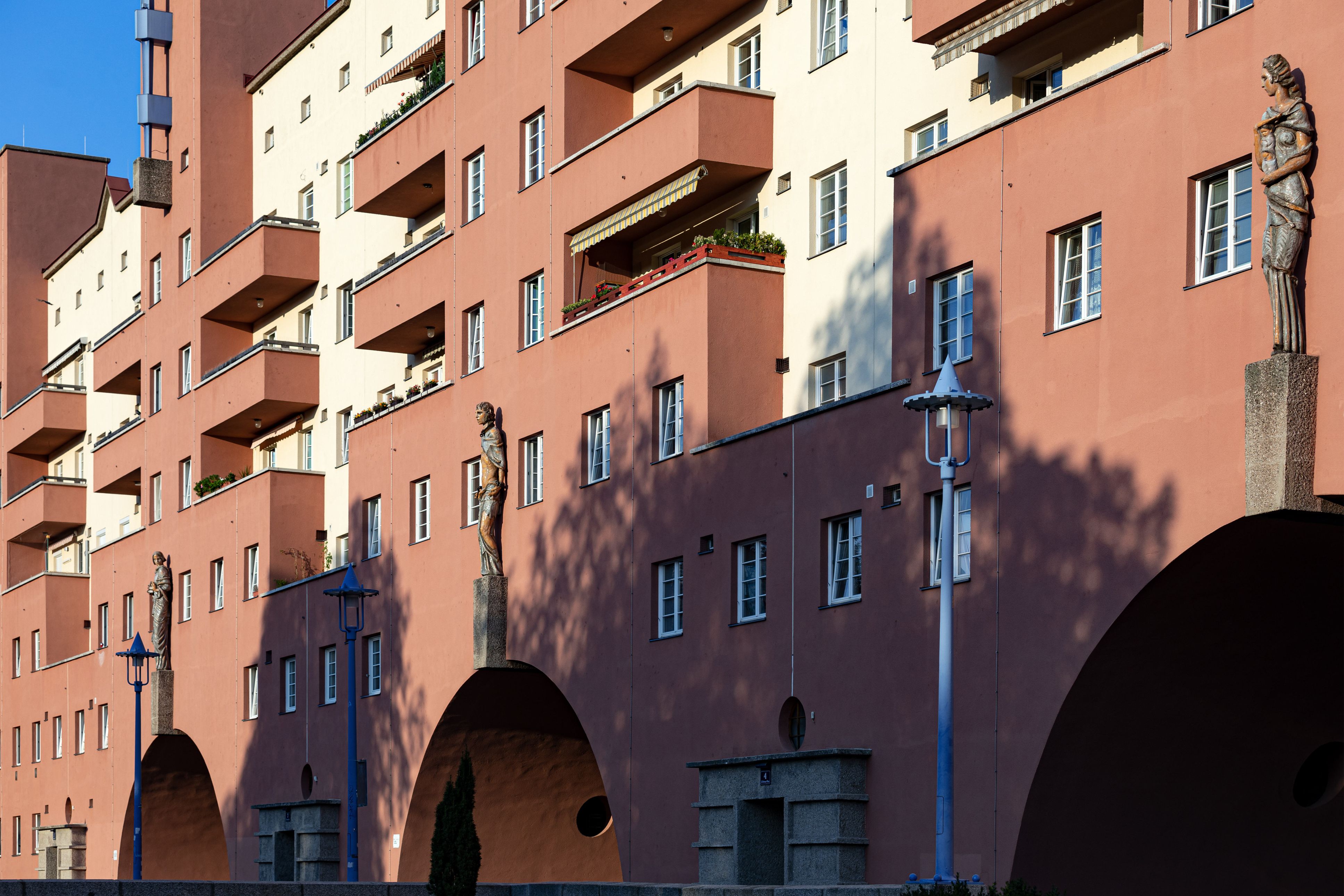
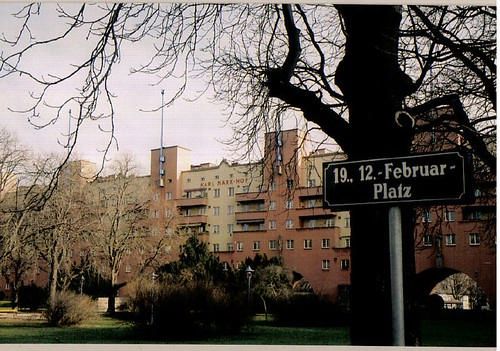
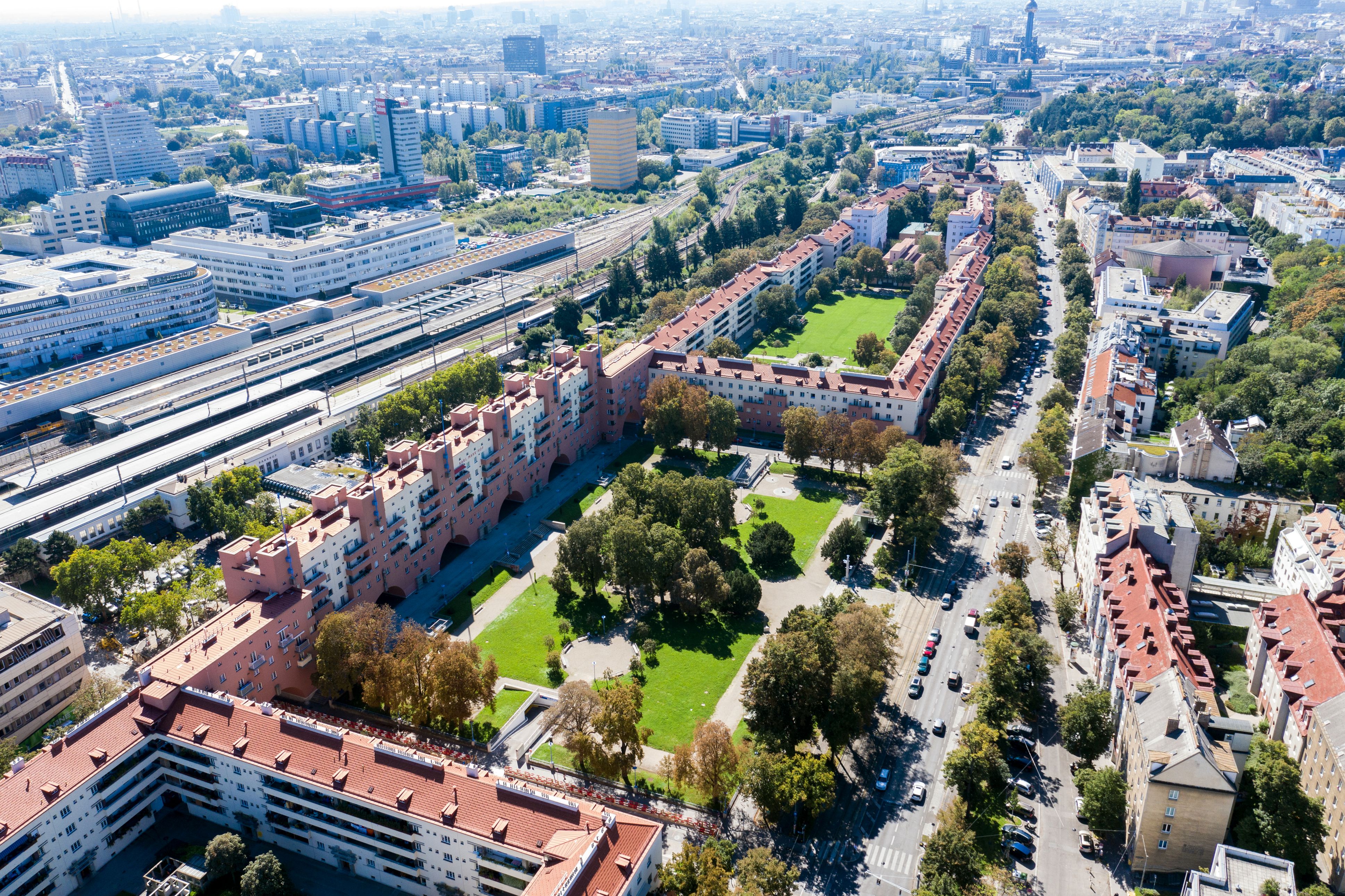
Karl-Marx-Hof in Vienna is a landmark example of early 20th-century social housing and a key project from the "Red Vienna" era. Built between 1927 and 1930, this ambitious development reflected the city’s commitment to social reform and urban renewal under its Social-Democratic government. During this period (1919–1934), Vienna’s administration prioritized rebuilding the inner city rather than expanding into the suburbs. This urban transformation was aimed at improving the lives of the working class, who were the core supporters of the Social Democratic Workers' Party of Austria. Additionally, the government undertook a vast housing initiative for low-income families, aiming to create “urban islands” that functioned independently, rather than radically altering Vienna’s urban structure. Karl-Marx-Hof, one of many housing projects from this era, became a symbol of the power of Vienna’s left-wing government. Its name is a reflection of the Marxist ideals it represented. Designed by Karl Ehn, a student of Otto Wagner, Karl-Marx-Hof is one of the longest residential buildings in the world, extending over a kilometer and housing nearly 1,400 apartments. Its design draws from the Hof typology, similar to monastic layouts, where apartments are arranged around large communal courtyards. These courtyards became the heart of community life, offering public spaces, libraries, daycares, and social centers. This arrangement fostered a strong sense of community, aligning with the broader goals of Red Vienna to strengthen working-class identity and improve living conditions.
Project Leads
- Karl Ehn
Organizations
- Vienna City Council
- Karl Ehn
- Werkstatt Wien
- BWM Architekten
Stages
- Construction
- Design Development
- Master Planning
- Planning
- Schematic Design
Site
Typology
Social HousingLand use type
ResidentialSize
1,100 meters (length)Population/density
1,400 apartment units