Robin Hood Gardens1963-2014
- public housing
- working class
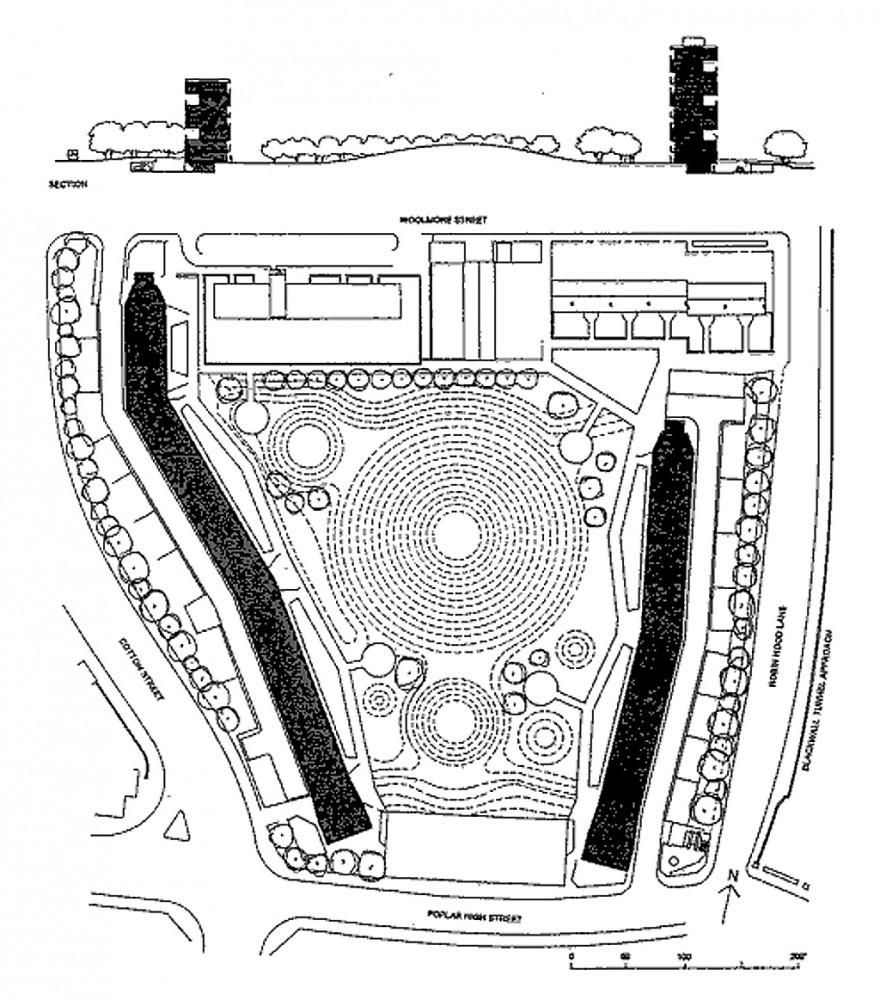
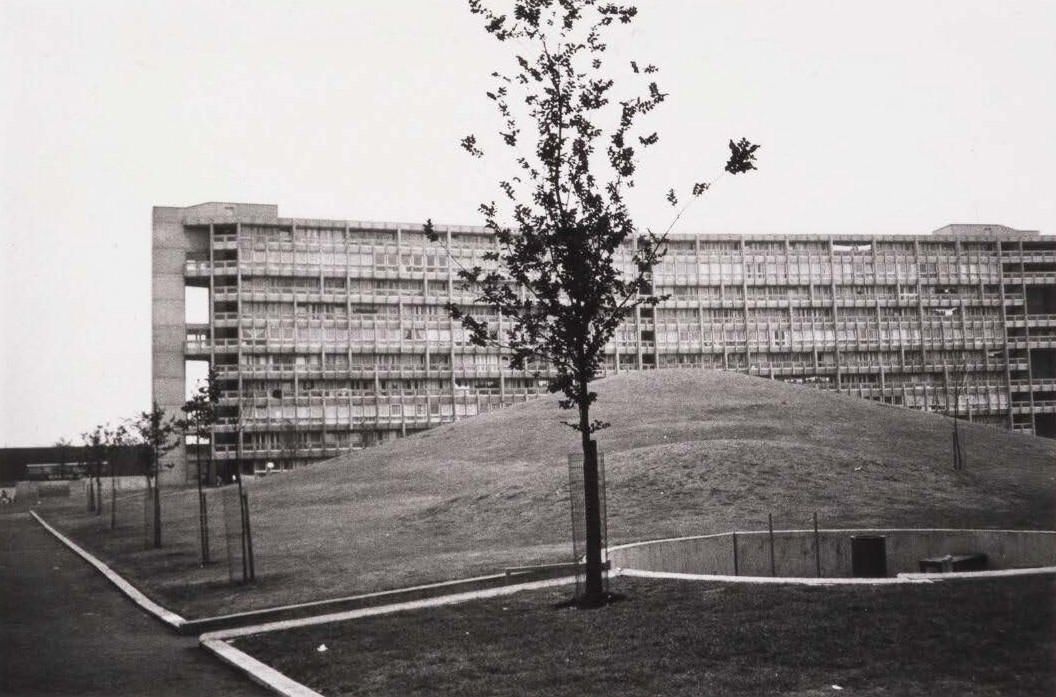
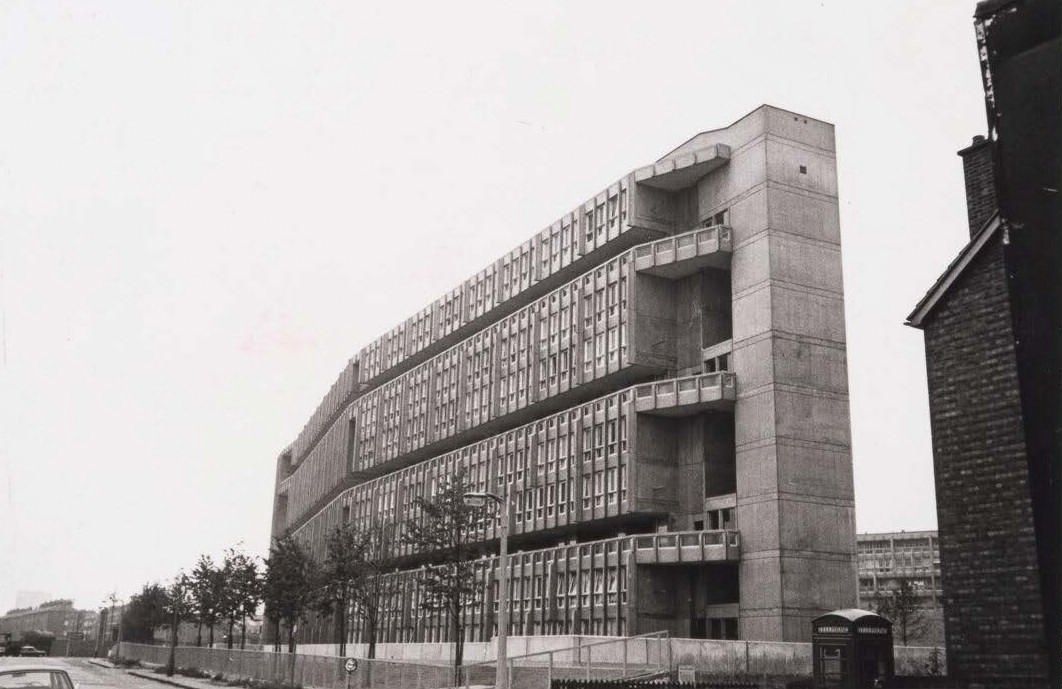
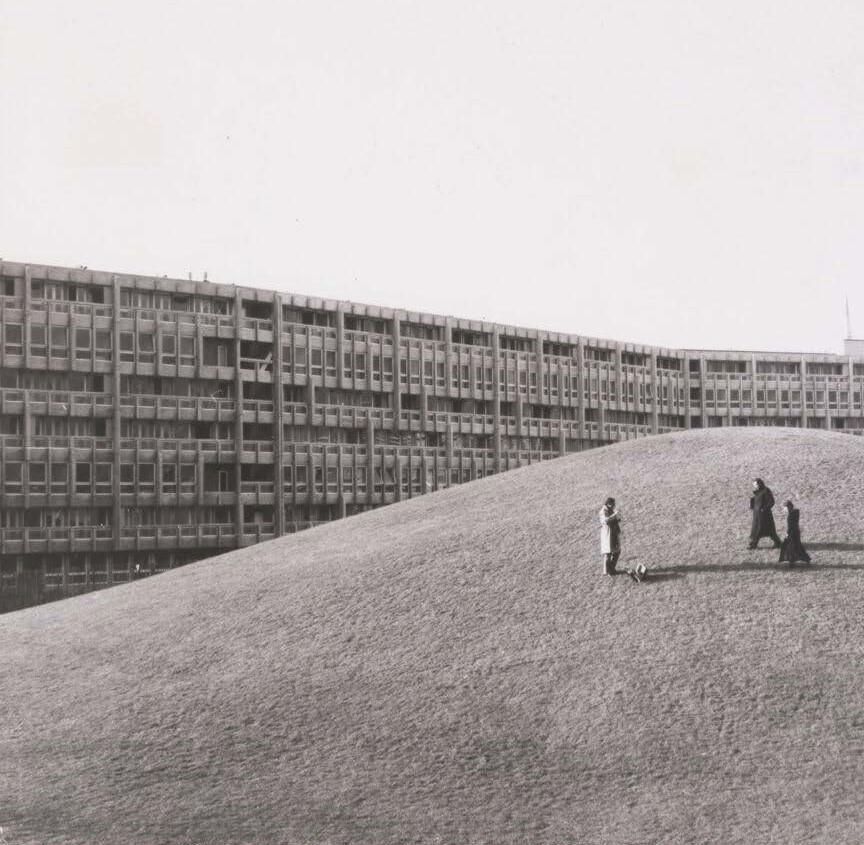
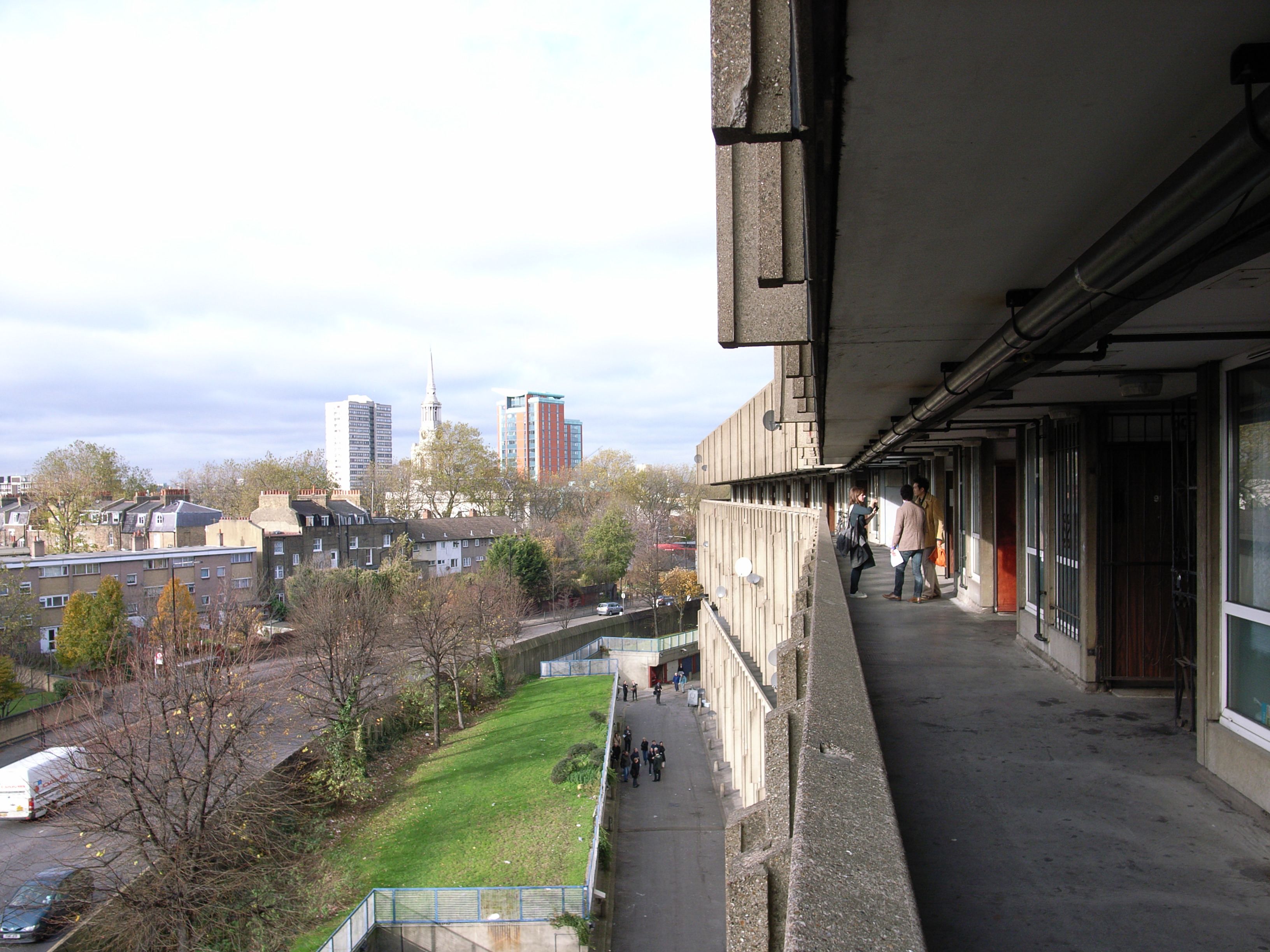
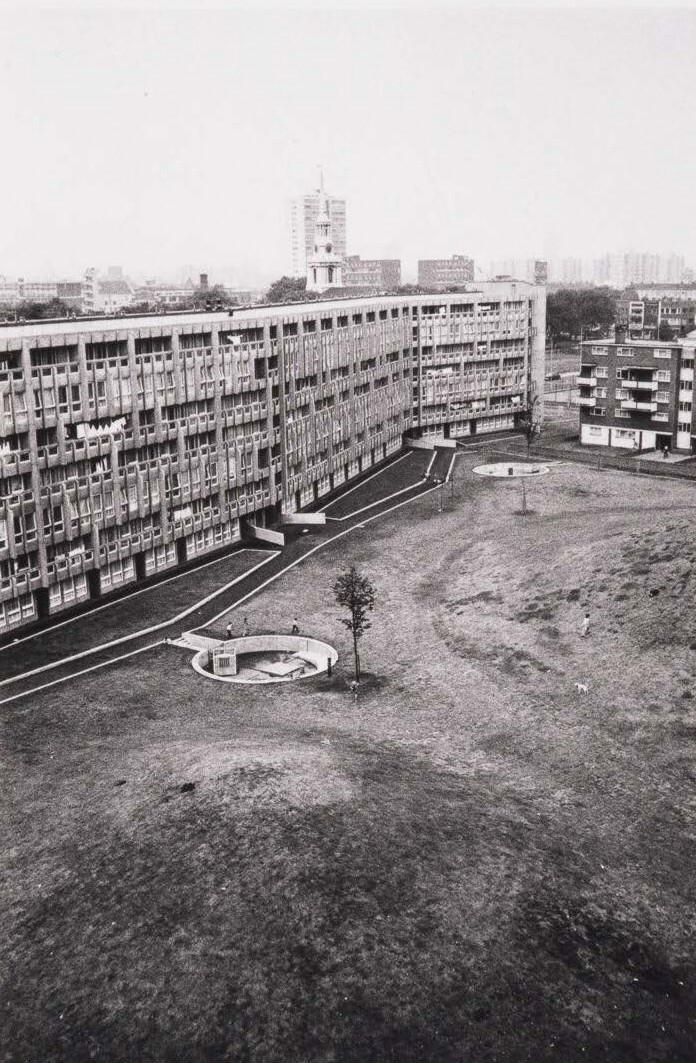
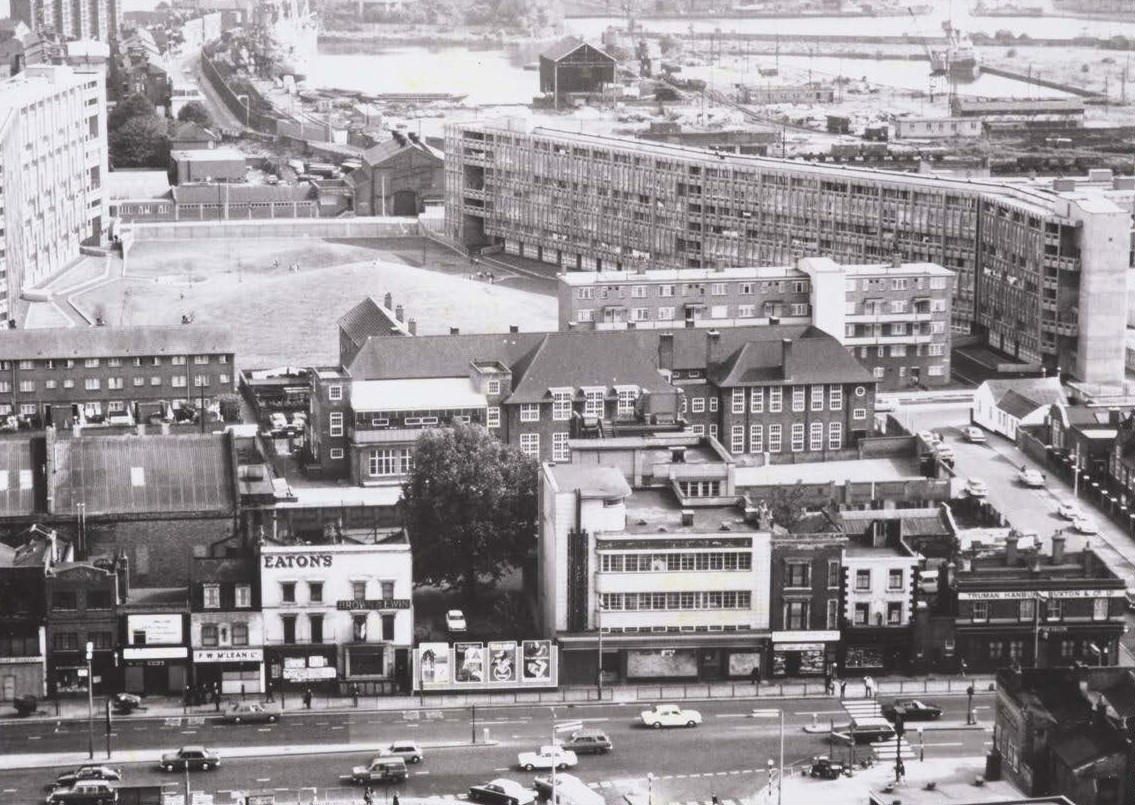
Robin Hood Gardens, a social housing complex in London, was constructed in the early 1970s during a period when Britain sought to rebuild and redefine its urban landscape after World War II. This era was characterized by the rise of residential towers as symbols of modernity and progress, many of which adopted the Brutalist architectural style. Designed by architects Alison and Peter Smithson, who were leaders in post-war architectural theory and practice, Robin Hood Gardens aimed to redefine social housing. The Smithsons were known for their emphasis on low-cost, accessible materials and site-specific designs. In their design of the complex, they sought to merge utilitarian aesthetics with a socialist vision of improving lives through architecture. In their own words, Robin Hood Gardens was “an exemplar – a demonstration of a more enjoyable way of living in an old industrial part of a city. It is a model of a new mode of urban organization which can show what life could be like.” One of the complex’s most distinctive features was the concept of "streets in the sky," which the Smithsons incorporated into the design as a method of fostering community in high-density housing. These wide, concrete balconies, located every third level, overlooked the central garden and were designed to function as elevated neighborhood streets. The balconies provided space for walking, gathering, and children to play, offering a sense of connection among residents that mimicked traditional street life. Despite the architects’ aspirations of encouraging social interaction and addressing the challenges of urban living, Robin Hood Gardens faced criticism over structural issues and social challenges, with some blaming its design for fostering crime. While it became a symbol of the debate over social housing’s success, these challenges ultimately led to the estate's demolition beginning in 2017.
Project Leads
- Alison and Peter Smithson
Organizations
- Alison and Peter Smithson
- Greater London Council
- London Borough of Tower Hamlets
- The Victoria and Albert Museum
Stages
- Construction
- Design Development
- Schematic Design
Site
Typology
Social Housing ComplexLand use type
ResidentialSize
1.5 hectares (3.7 acres)Population/density
213 flats (142 people/acre)