All Projects
Jingdezhen
Jingdezhen, Jiangxi, China

Jingdezhen

Jingdezhen, Jiangxi, China
  • industrial
  • cultural
  • infrastructure
  • Mixed Development
  • place making
  • redevelopment

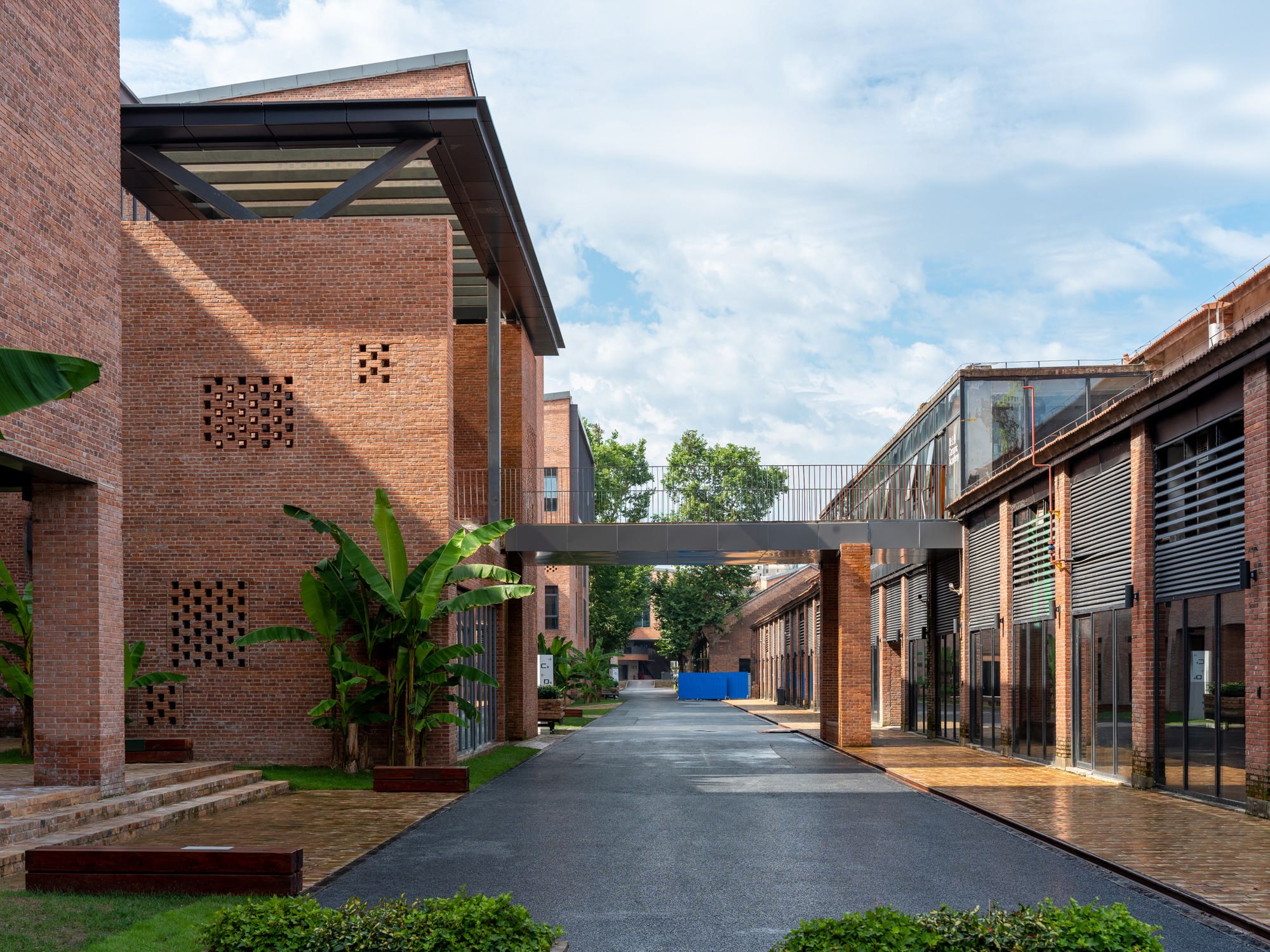
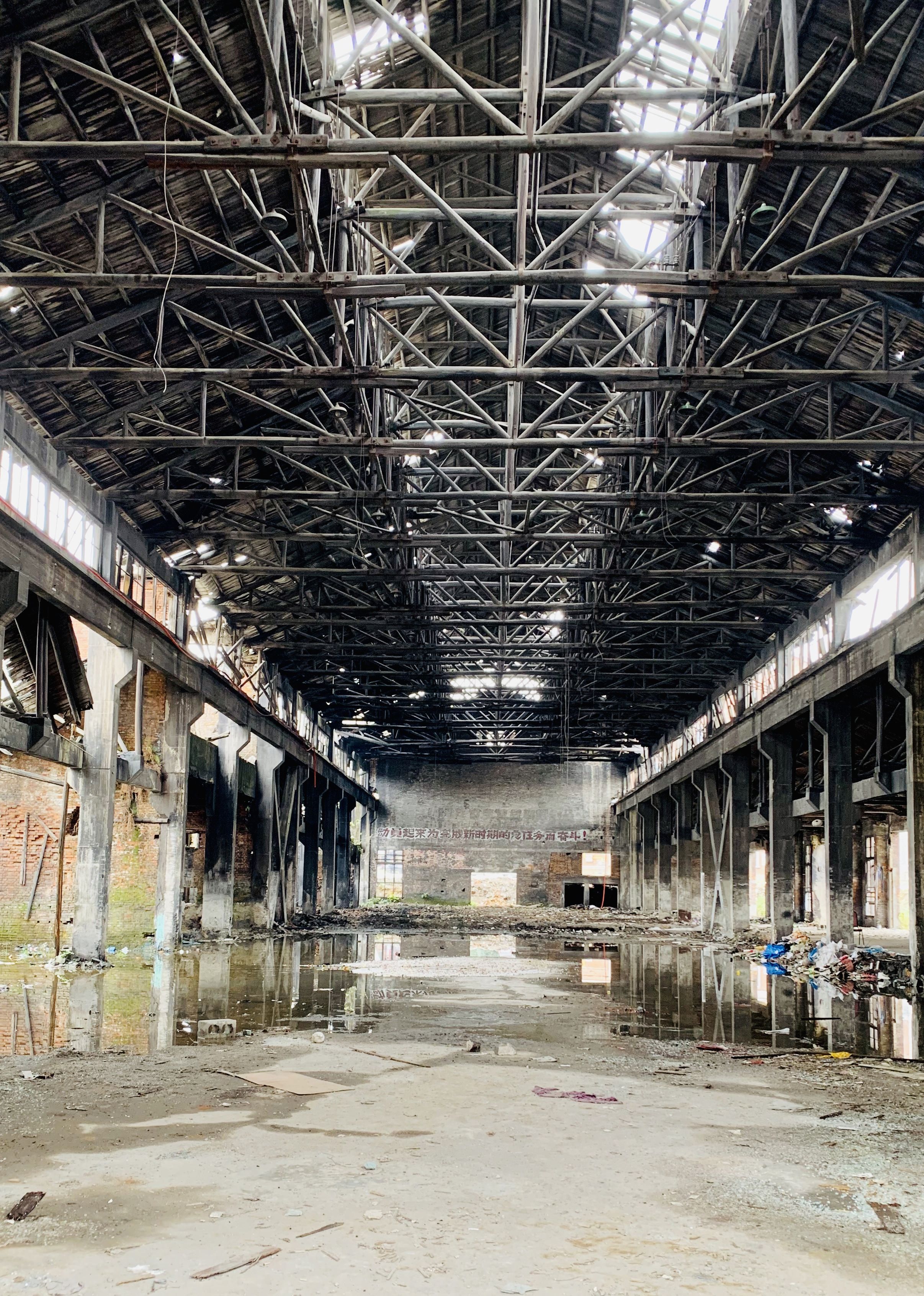
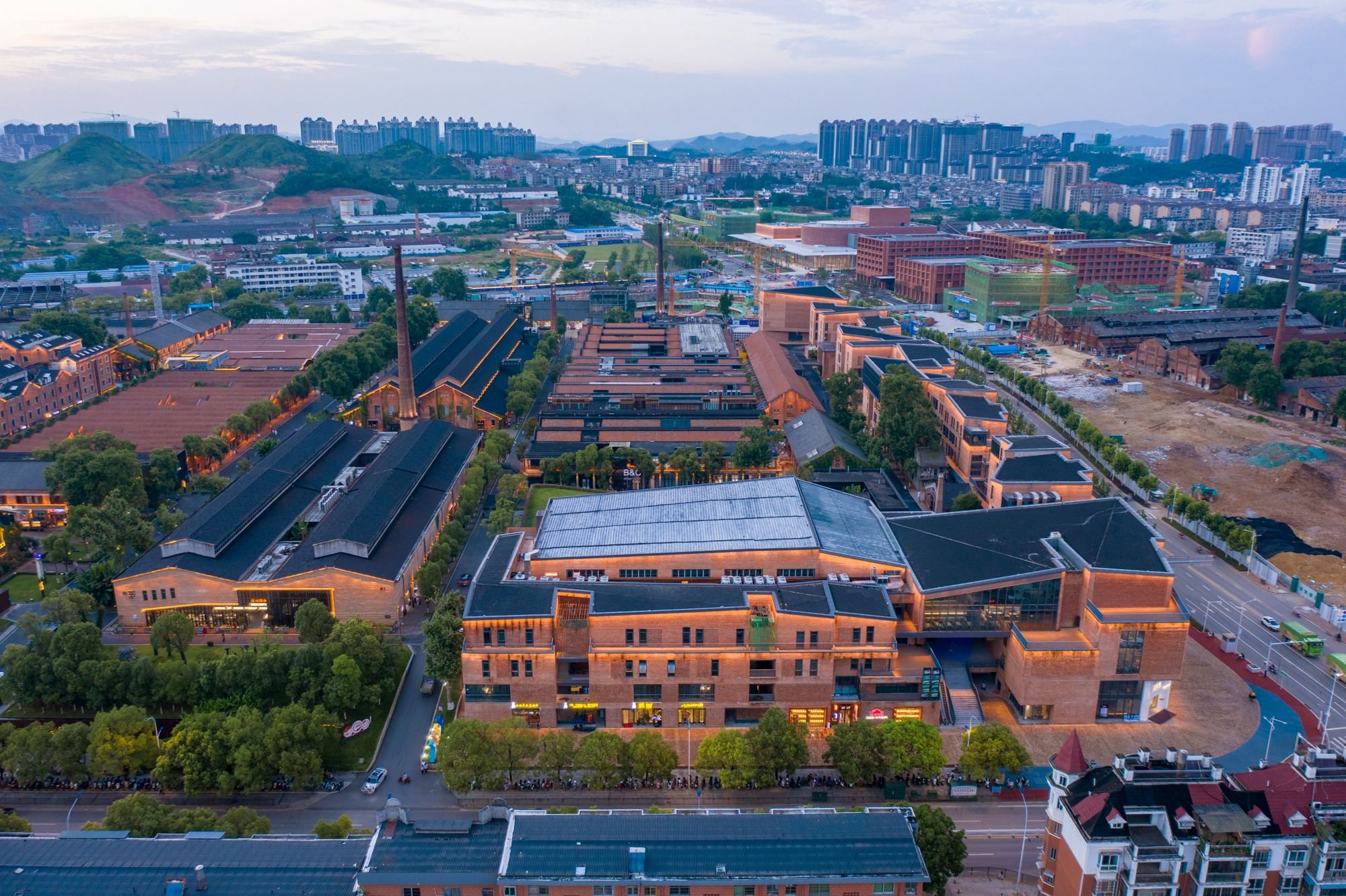
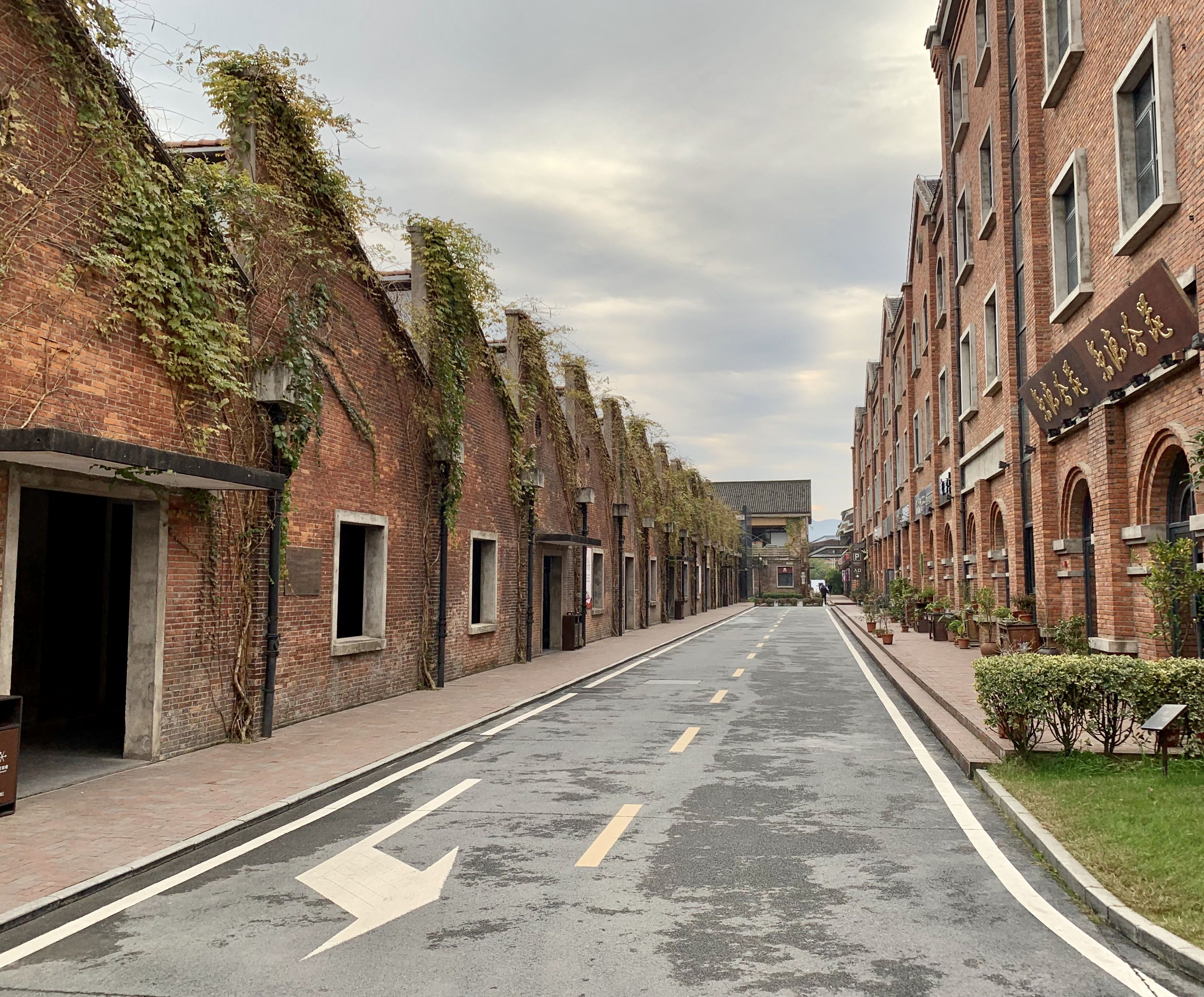
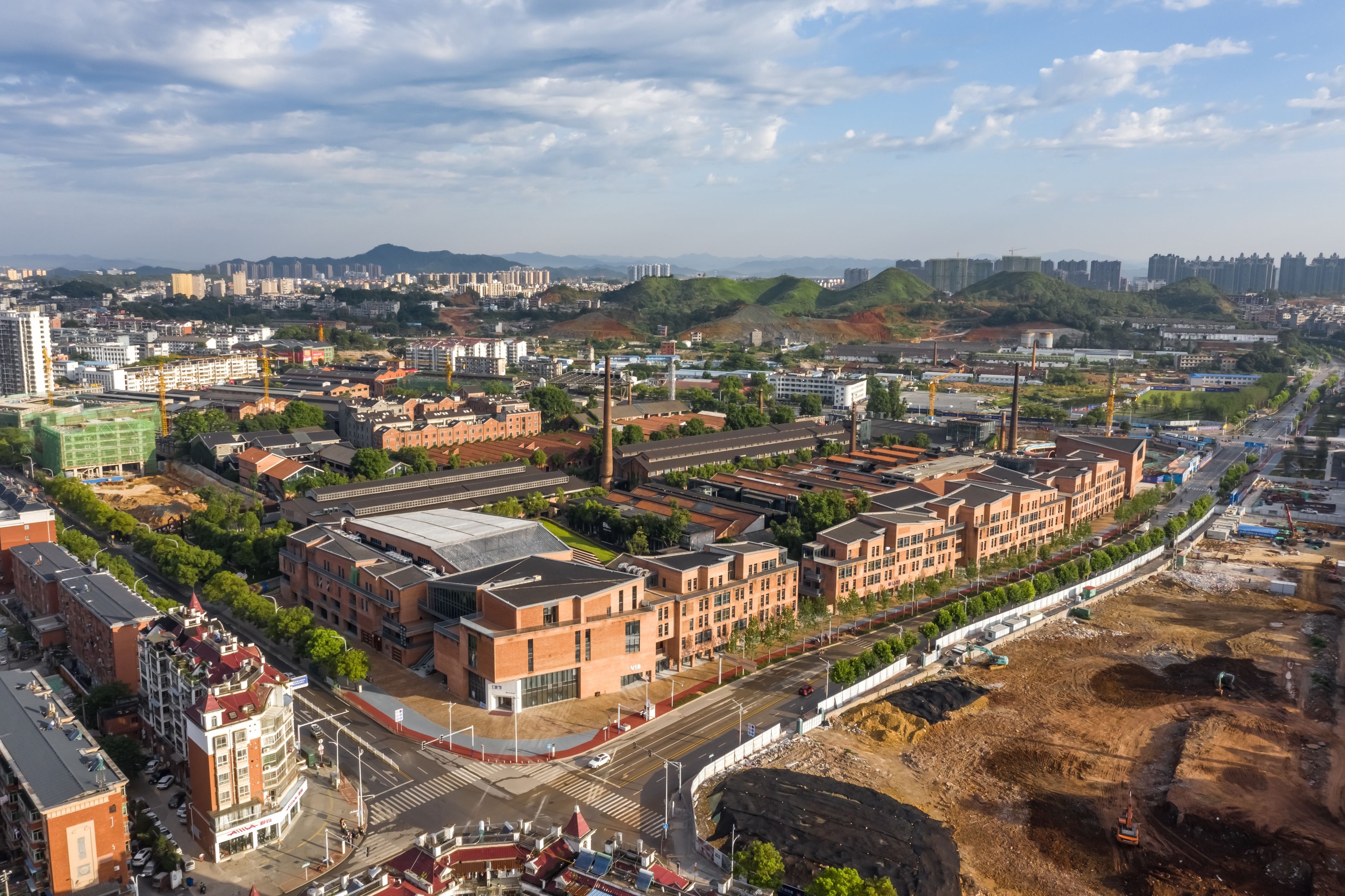
Taoxichuan Ceramic Culture Industrial Park in Jingdezhen, China, stands as a remarkable example of urban regeneration and industrial heritage preservation. Rooted in the centuries-old ceramic heritage of Jingdezhen, often referred to as the "Porcelain Capital" of China, the park repurposes industrial relics of the ceramic industry into a vibrant place for culture, tourism, and innovation. Spanning 1 square kilometer, the master plan focuses on adaptive reuse and sustainable urban renewal, integrating historic buildings into a coherent urban fabric equipped with modern facilities such as art galleries, creative studios, and vocational training spaces. The park's design philosophy is grounded in the concept of “evolution and empowerment,” aiming for long-term, inclusive, and adaptive development. From a spatial perspective, the project retained and repurposed 22 old factory and industrial buildings, including coal-fired round kilns, tunnel kilns, and other facilities of the former Cosmos Porcelain Factory. The integration of ancient production lines with modern conceptual elements has converted an industrial production space into a hub for tourism, culture, and live webcasting. Key structures, including the Yuzhou Porcelain Factory and the Ceramic Machinery Factory, have been carefully restored for new uses and now house cultural institutions including the Jingdezhen Industrial Heritage Museum, the Taoxichuan Art Museum, and the Ceramic Academy. With a total investment of about 11 billion yuan, the transformation of the Taoxichuan Ceramic Culture Industrial Park has preserved the rich ceramic heritage of Jingdezhen while driving local economic revitalization. Traditional craftsmanship is combined with modern design and technology, creating a space that connects the history and future of China's ceramic industry. It exemplifies a broader trend in China’s approach to repurposing industrial heritage sites by turning them into creative industrial parks, art districts, museums, and recreational spaces.

Project Leads

  • Alexander Schwarz
  • Beijing Tsinghua Tongheng Urban Planning & Design Institute

Organizations

  • Jingdezhen Tao Cultrue And Tourism Holding Group Co., Ltd.
  • Beijing AN-Design Architects Co.,Ltd.
  • Beijing Tsinghua Tongheng Urban Planning & Design Institute
  • ISA Architecture
  • DIBO Alliance for Clearing and Controlling Heritage
  • David Chipperfield Architects

Stages

  • Construction
  • Design Development
  • Planning
Industrial site rennovation
Interior view of the factory

Site

Aeiral view of Taoxichuan
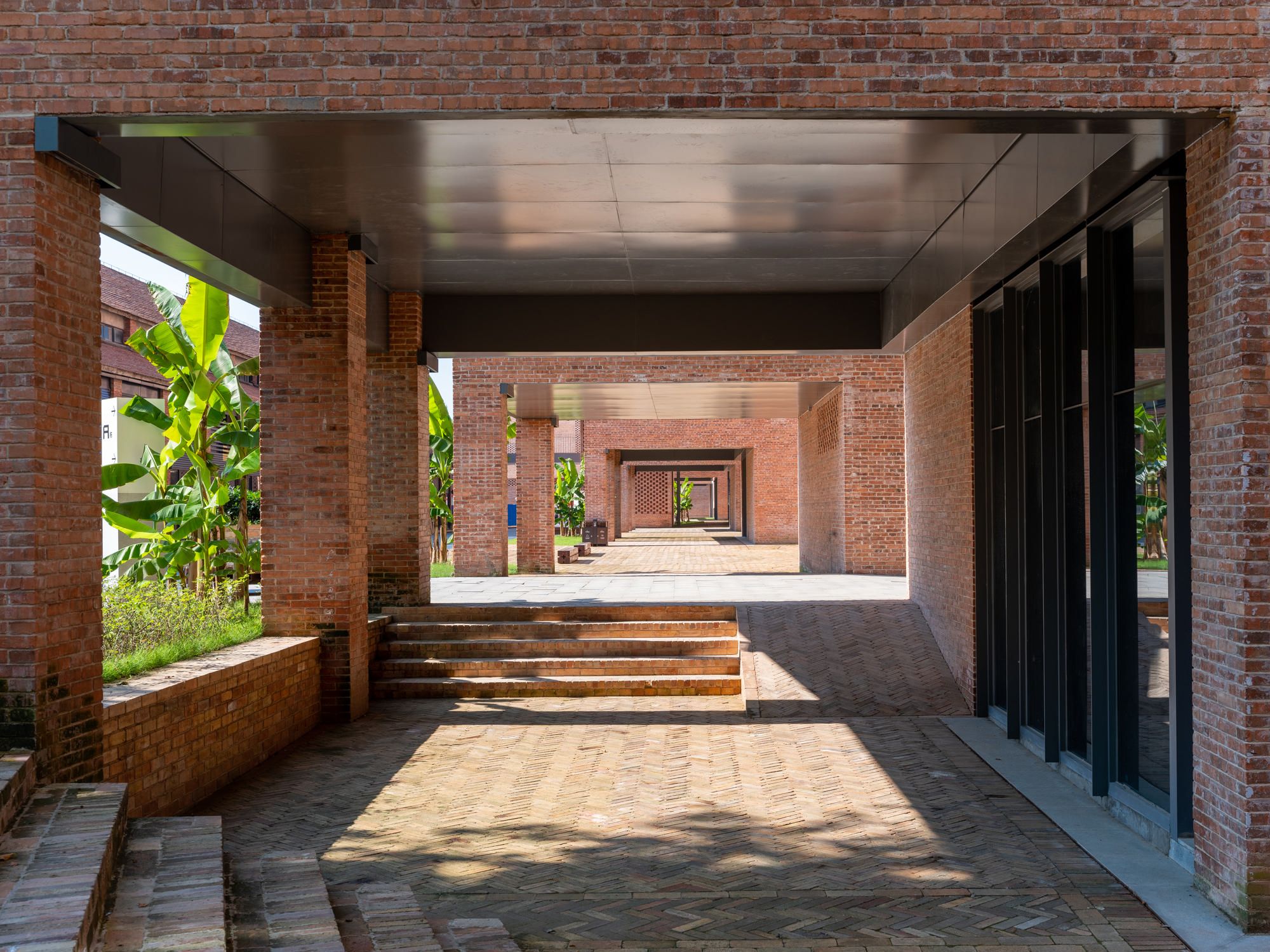
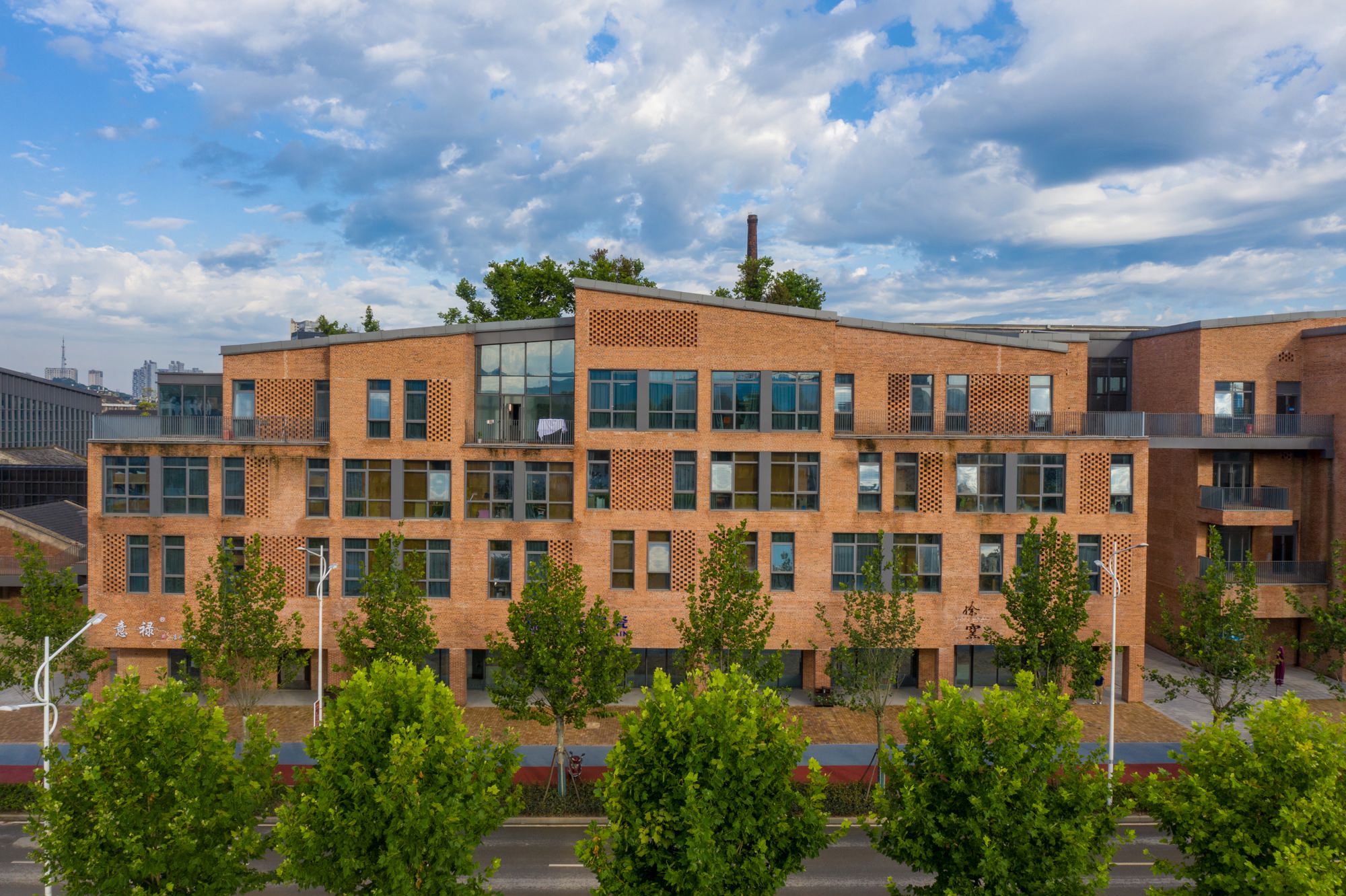
The core of the project is preserving historical integrity while adapting the site for contemporary use. Among the architectural innovations, David Chipperfield Architects designed a theatre and hotel complex that complemented the existing structures. New buildings incorporate materials like exposed brick, reinforcing the connection to the industrial quarter. Light steel structures linking hotel blocks create functional outdoor common areas, while the public character of the inner-city campus is enhanced by opening the ground floors of factory buildings to the public, seamlessly extending outdoor spaces into the interiors. The project utilizes the DIBO (Design-Investment-Building-Operation) model in the urban renewal. This framework brings together local governments, heritage experts, and province-invested platforms to guide the process. The process progresses through structured steps, including urban design, pre-investment promotion, regulatory adjustments, sponsor engagement, architectural and landscape design, construction, and operational preparation to achieve the park revitalization. In addition, the development adopts a multi-scale, multi-use framework. For instance, the Universe Ceramic Factory District integrates art galleries, museums, an urban living room, hotels, dining, offices, and exhibition spaces. To date, the park has attracted more than 21,000 artists, designers, and creators from across China and abroad. In 2023 alone, it welcomed 3.9 million visitors. It is currently the only national-level cultural industry demonstration park in Jiangxi Province, and has been designated as a National Mass Innovation, a National Tourism Science and Technology Demonstration Park, and a National Intangible Cultural Heritage Tourism Zone. With a rich mix of programs—including museums, art centers, education and residency platforms, Taoxichuan has developed into a borderless cultural and artistic district known both domestically and internationally. It has also become a major gathering place for younger creative generation in China.

Typology

Industrial Heritage, Innovative Hub

Land use type

Mixed Development

Size

100 hectares

Population/density

10,685 visitors per day (2023)

Gross floor area

265,000 m² (Masterplan)

Floor area ratio

1.6

Community Infrastructure

  • art galleries
  • public art exhibition
  • public park
  • educational partnerships

Timeline

1988-2022

People

Awards

2017 UNESCO Asia-Pacific Heritage Conservation Innovation Award

2017

The 2017 UNESCO Asia-Pacific Heritage Conservation Innovation Award recognizes outstanding efforts in heritage conservation across the Asia-Pacific region. It celebrates projects that exemplify best practices in conserving architectural and cultural heritage while promoting local traditions and community involvement.

Jury

Bich Hanh DuongJury Chair

China Copyright Gold Medal

2020

The 2020 China Copyright Gold Medal was awarded to Taoxichuan Ceramic Culture Industrial Park for its outstanding work in copyright protection and innovation. Taoxichuan has implemented mechanisms to safeguard creators' rights and fostered a culture of originality.

Jury

National Copyright Administration of China & World Intellectual Property Organization (WIPO)Jury Chair

National Industrial Heritage List (First batch)

2018

Taoxichuan was included in the first batch of China's national industrial heritage list in 2017. Specifically, the Ministry of Industry and Information Technology (MIT) announced the first batch of national industrial heritage sites in November 2017

Jury

Ministry of Culture and Tourism of the People’s Republic of China.Juror

National Intangible Cultural Heritage Tourism Street

2022

Taoxichuan was recognized for promoting and revitalizing intangible heritage experiences through immersive tourism, in Jiangxi Province.

National Tourism Science and Technology Demonstration Park

2021

This award was given to Taoxichuan regarding its integration of smart tourism technologies and cultural experiences.

National Mass Innovation and Entrepreneurship Demonstration Base

2019

Taoxichuan was acknowledged for supporting startups, artists, and creative youth through diverse space and infrastructure.

Jury

State Council of ChinaJury Chair

Media

Filters:
No records.

Texts

Filters:
No records.

Bibliography

Sort