All Projects
Radburn, New Jersey
Radburn, Fair Lawn, New Jersey

Radburn, New Jersey
1927-1930

Radburn, Fair Lawn, New Jersey
  • Masterplan
  • pedestrian
  • open space
  • social fabric
  • public space
  • place making

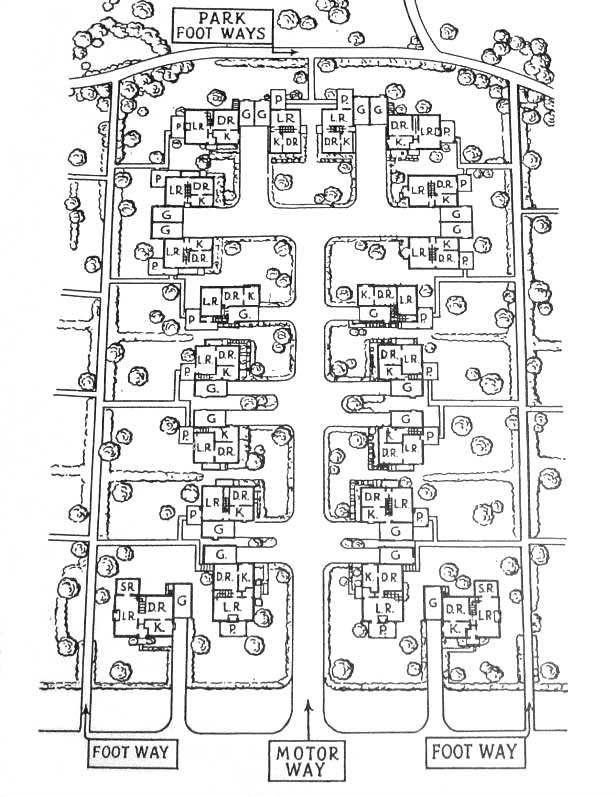
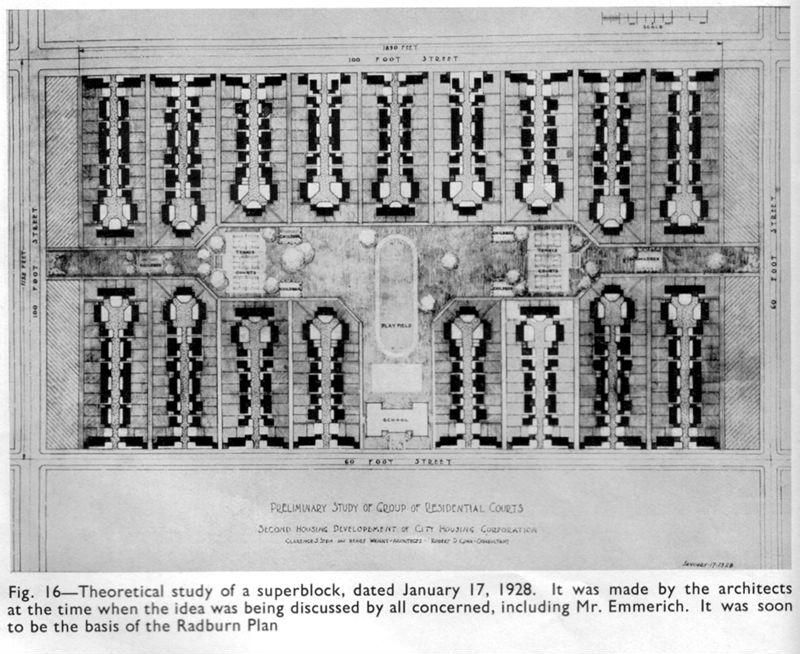
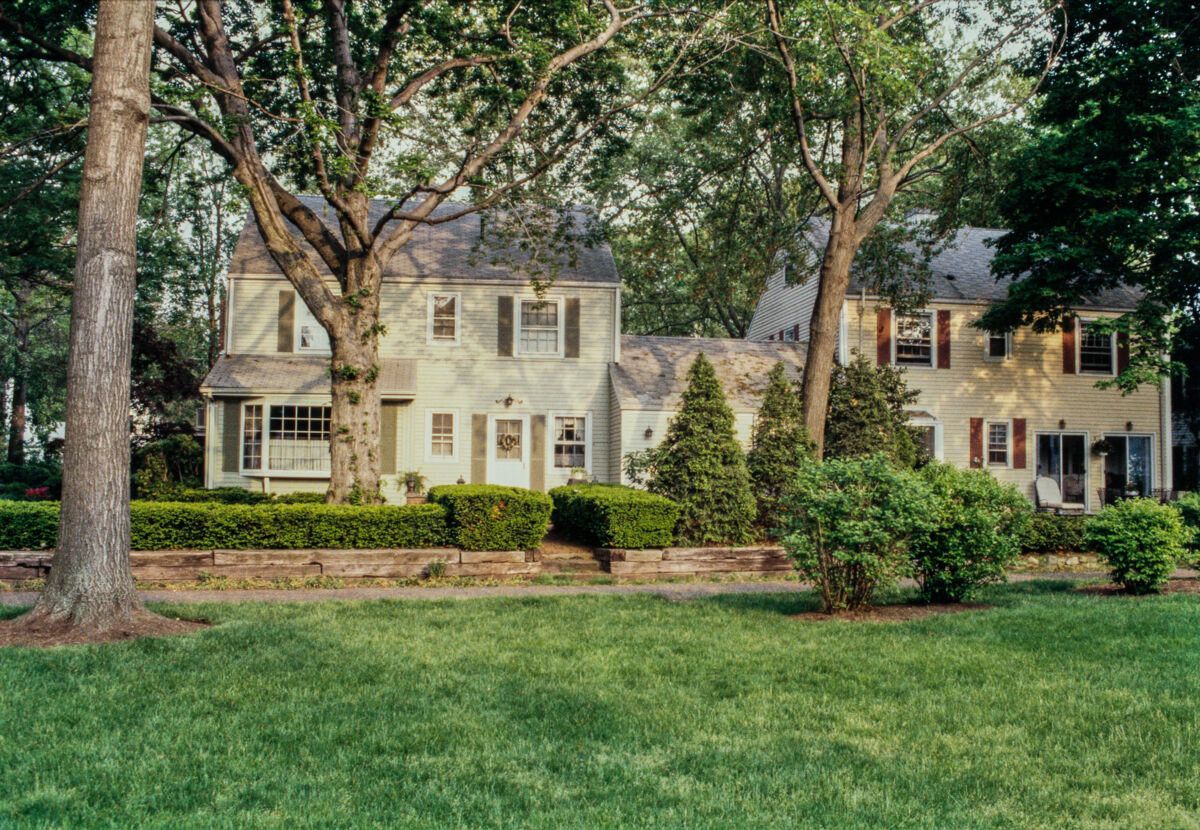
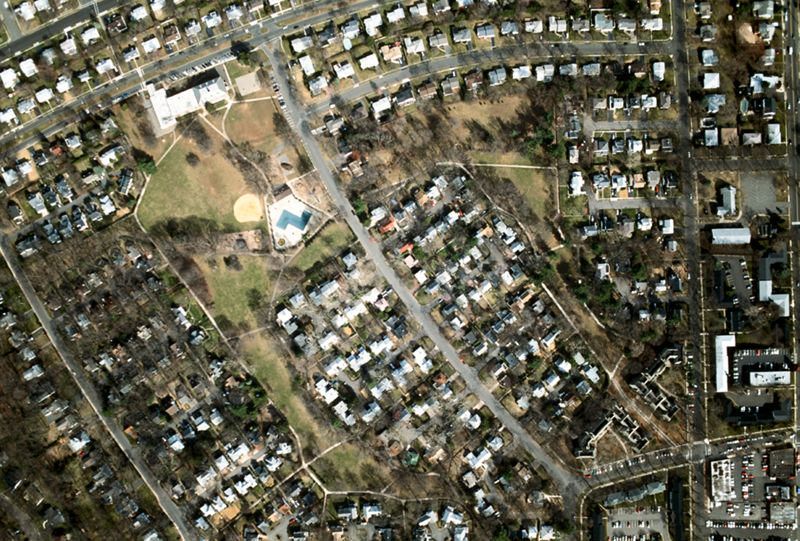
Radburn, a seminal planned community renowned for its innovative urban design, is located within the Borough of Fair Lawn, Bergen County, New Jersey, just 12 miles from New York City. Conceived in 1928 by architects Clarence Stein and Henry Wright, Radburn was developed as a response to the rapid growth of automobile-centric cities, with the goal of rethinking suburban life for the modern mobility. Influenced by Ebenezer Howard's Garden City concept, Radburn was designed as a "town for the motor age" and stands as America's first garden community. The visionary design addressed the complexities of suburban modern life while providing amenities of open space, community service, and economic viability. The community was intended to be self-sufficient, incorporating residential, commercial, and industrial areas that would complement each other's needs. Radburn's design introduced the “superblock” concept, consolidating residential areas into large, traffic-free zones bordered by peripheral roads. This layout prioritized safety within neighborhoods while maintaining vehicle circulation outside. Central to its plan was pedestrian-centric design, with cul-de-sacs, footpaths, and underpasses separating pedestrians from vehicles, improving walkability and access to parks and shared spaces. Homes were oriented toward green spaces rather than streets, promoting a connection to nature and a sense of community. While only partially realized due to the Great Depression, Radburn's influence extends far beyond its boundaries, profoundly influencing modern urban planning. It inspired numerous planned communities worldwide, including the New Deal's "green towns" and later developments like Reston, Virginia, and Columbia, Maryland. Its principles continue to shape contemporary urban design discussions, particularly in areas of walkability, green space integration, and traffic management. For instance, the movement of New Urbanism emerged in the 1980s, incorporating many of Radburn's ideas, particularly its focus on creating walkable neighborhoods and fostering communities.

Project Leads

  • Clarence Stein
  • Henry Wright

Organizations

  • City Housing Corporation
  • The Radburn Association
  • Russell Sage Foundation
  • Radburn Board of Trustees
  • Regional Planning Association of America (RPAA)
  • Fair Lawn Borough Officials

Stages

  • Construction
  • Master Planning
  • Design Development
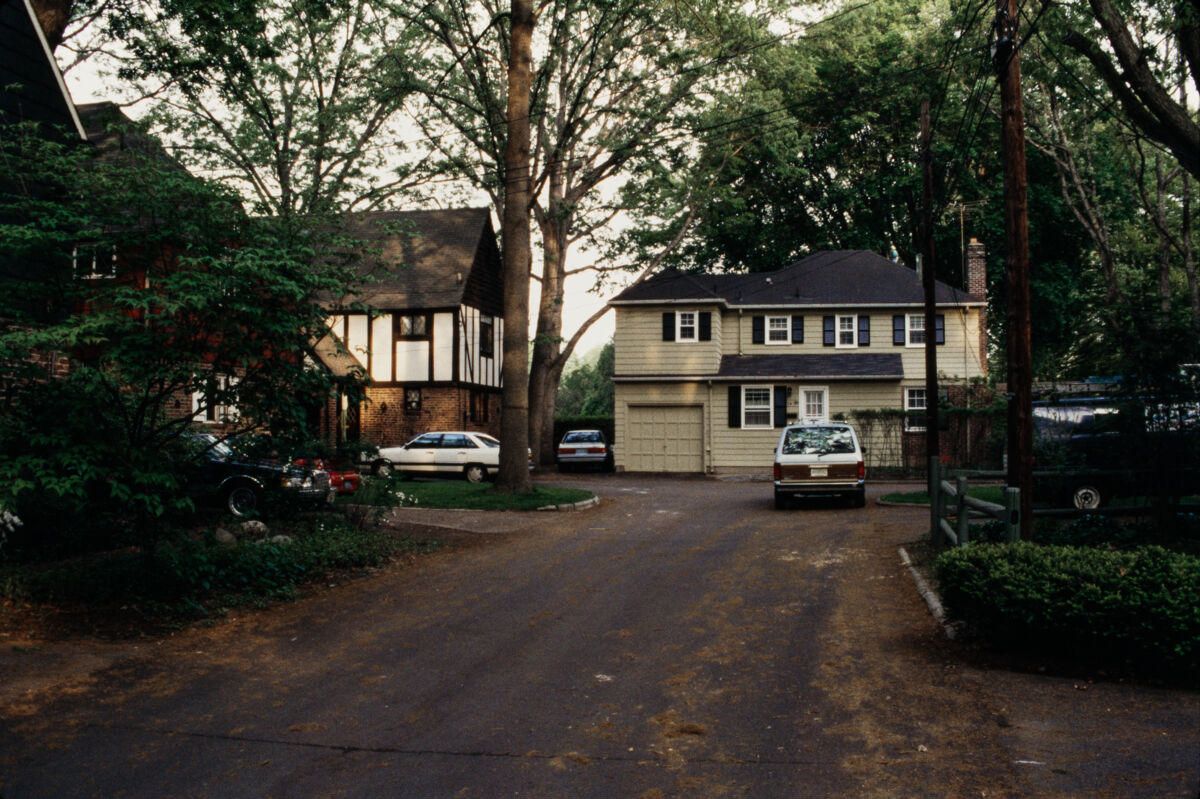
Culs-de-sacs
Plan of Pre-Radburn theoretical study of superblock

Site

Plan with 1/2 mile and 1 mile radius circles
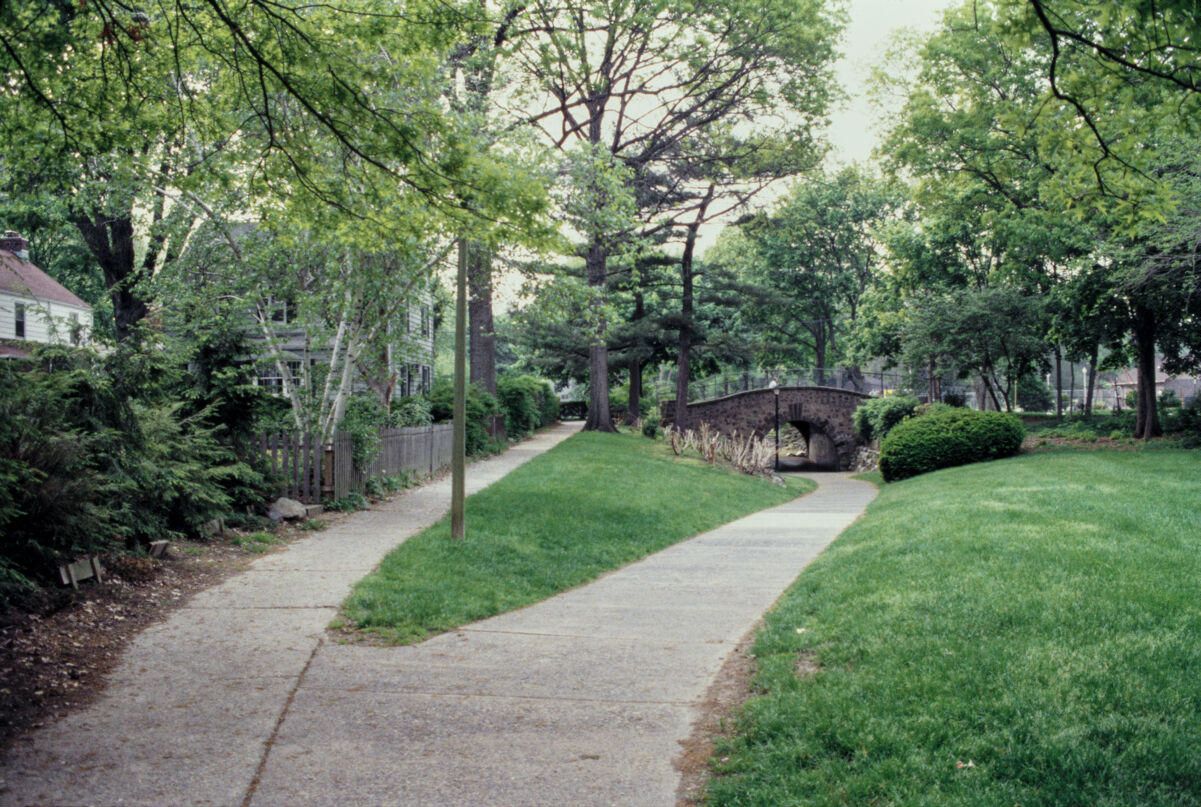
Radburn's design has been a foundational influence in suburban planning, introducing several innovative planning principles: The superblock concept is a central feature of Radburn's design, redefining traditional urban layouts by consolidating smaller blocks into large, self-contained residential zones. This design minimizes intersections and eliminates through traffic within neighborhoods. By consolidating smaller blocks, the superblock allows for more efficient land use, dedicating significant space to parks, green spaces and community facilities. Within the superblocks, cul-de-sacs play a vital role in organizing housing into small, intimate clusters. Cul-de-sacs are characterized by short, dead-end streets that terminate in a circular turnaround. This layout groups houses in small clusters, each accessed from a single entry point off the main road. The design significantly reduces through-traffic, creating quieter, safer environments for residents. Cul-de-sacs foster a sense of community among neighbors due to their intimate scale and shared spaces. However, one potentially limited thing is the parking options and potential difficulties for emergency vehicle access. Despite these considerations, cul-de-sacs remain popular for their ability to create secluded, community-oriented living spaces. The separation of pedestrian and vehicular movement is another key feature of Radburn's design, which improves safety for residents and creates a pedestrian-centric environment. A network of walkways allows residents to move freely throughout their community without encountering vehicular traffic. The road hierarchy is well-structured, with surrounding main roads functioning as primary arteries for vehicles, channeling vehicular traffic externally to limit the internal traffic. Another innovative housing orientation concept prioritizes quality of life by positioning the main living areas of homes to face internal green spaces rather than streets. This layout offers residents a peaceful connection to nature while maintaining the aesthetic appeal of the community. Service areas, such as garages and utility spaces, face access roads, preserving the visual and functional integrity of the residential zones.

Typology

Community planning

Land use type

Mixed Use

Size

149 acres

Population/density

20.8 people / acre

Community Infrastructure

  • public park
  • sports courts
  • physical mobility

Timeline

1927-1953

People

Awards

New Jersey Register of Historic Places

10/15/1974

The New Jersey Register of Historic Places is the official list of New Jersey's historic resources that hold local, state, and national significance. It was created by the New Jersey Register of Historic Places Act of 1970.

National Historic Landmark District

4/5/2005

The National Historic Landmark District designation, awarded to Radburn on April 5, 2005, represents the highest level of historic recognition in the United States. This designation acknowledges Radburn's exceptional significance in American history and culture, particularly its revolutionary contributions to urban planning and community design.

Media

Filters:
No records.

Texts

Filters:
No records.

Bibliography

Sort