Historic Center of Mexico City
- historic
- open space
- redevelopment
- social fabric
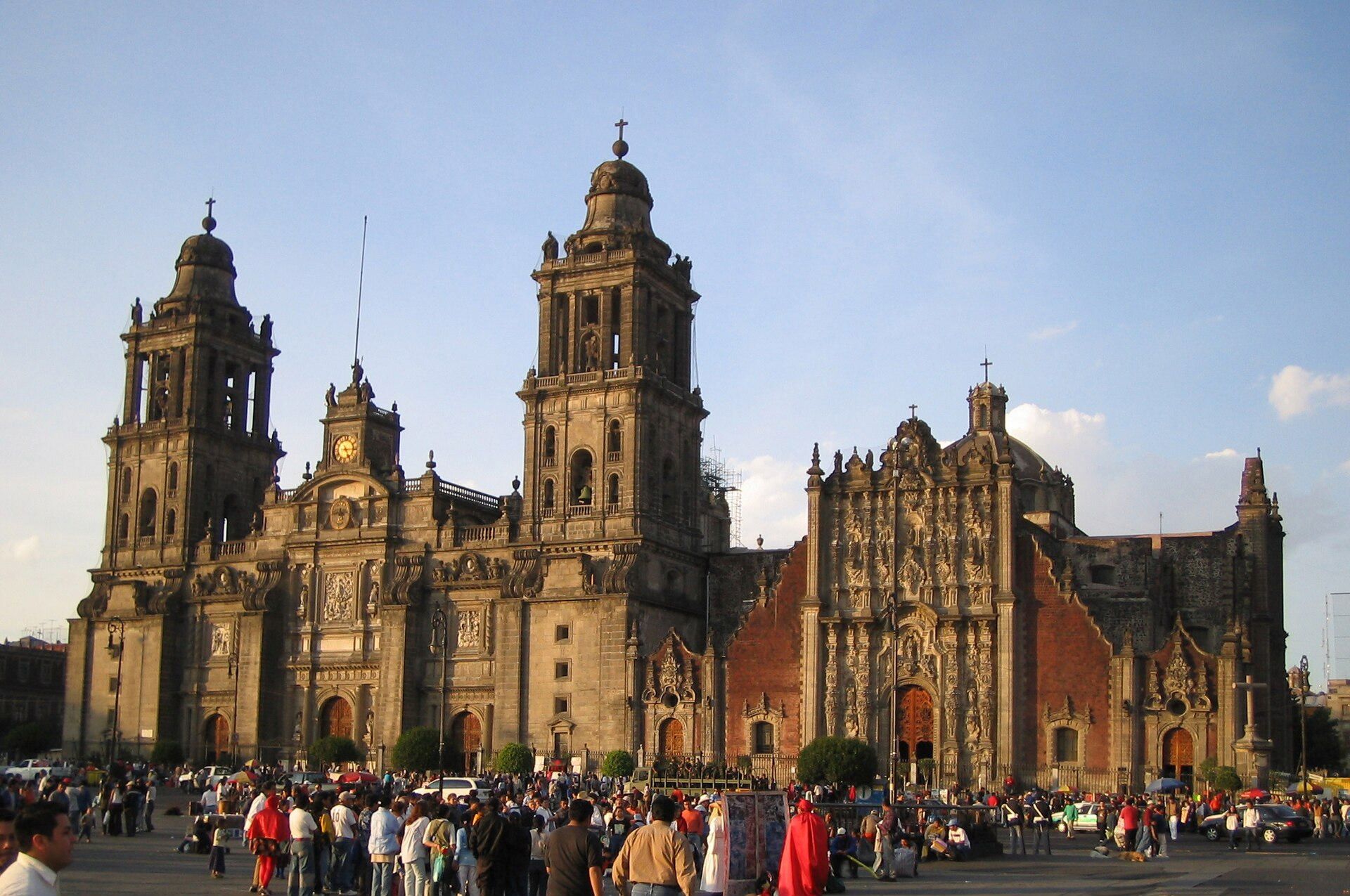
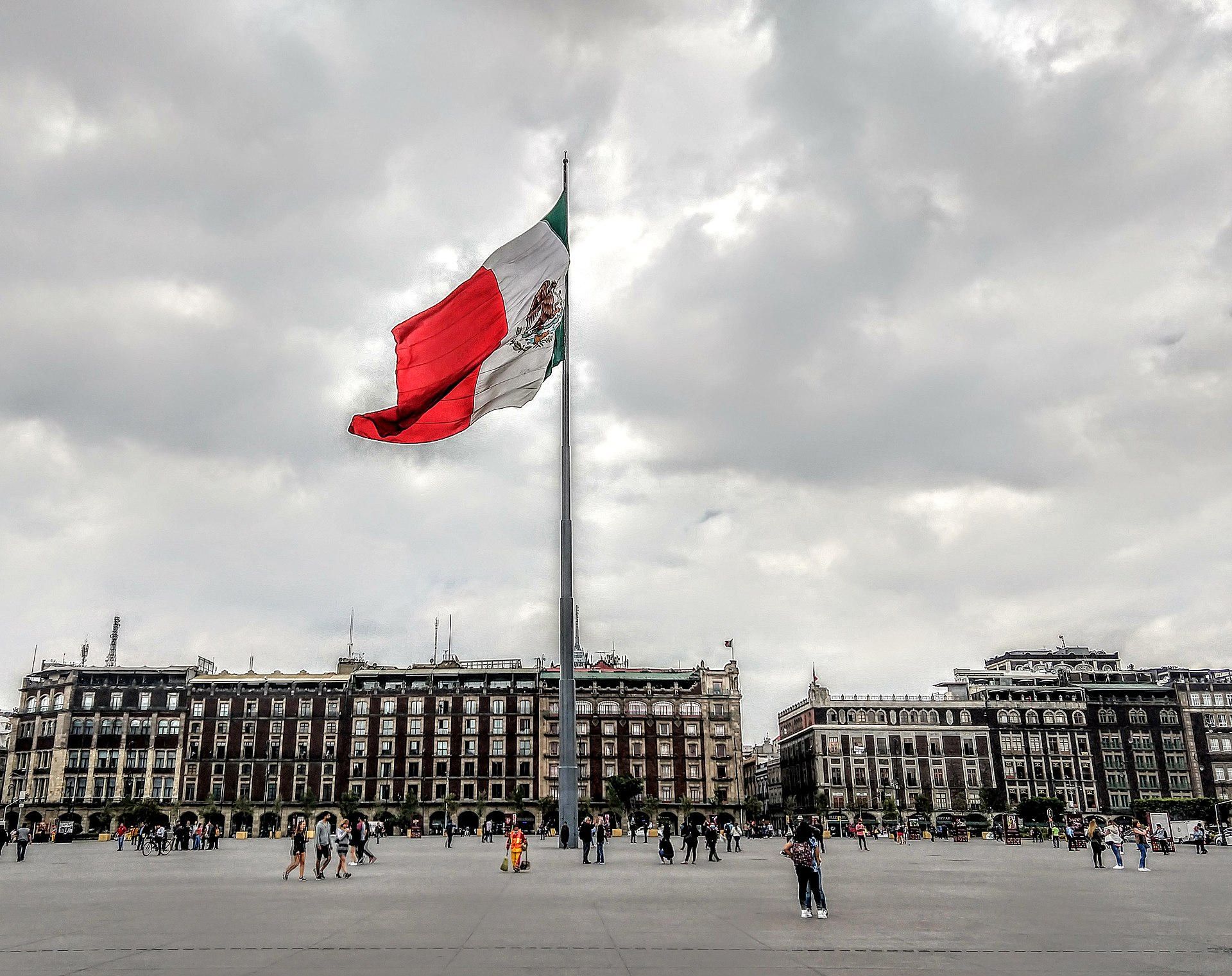
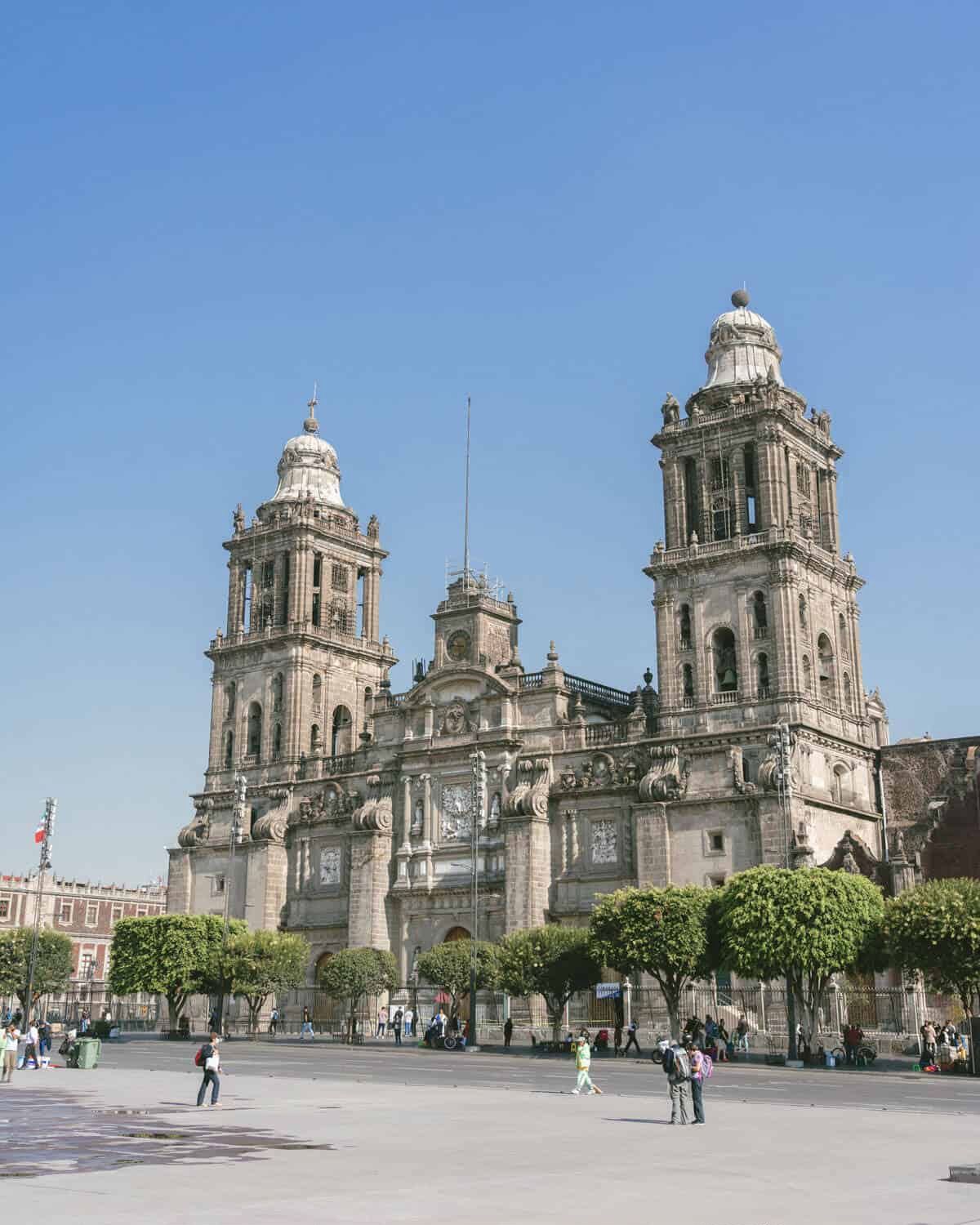
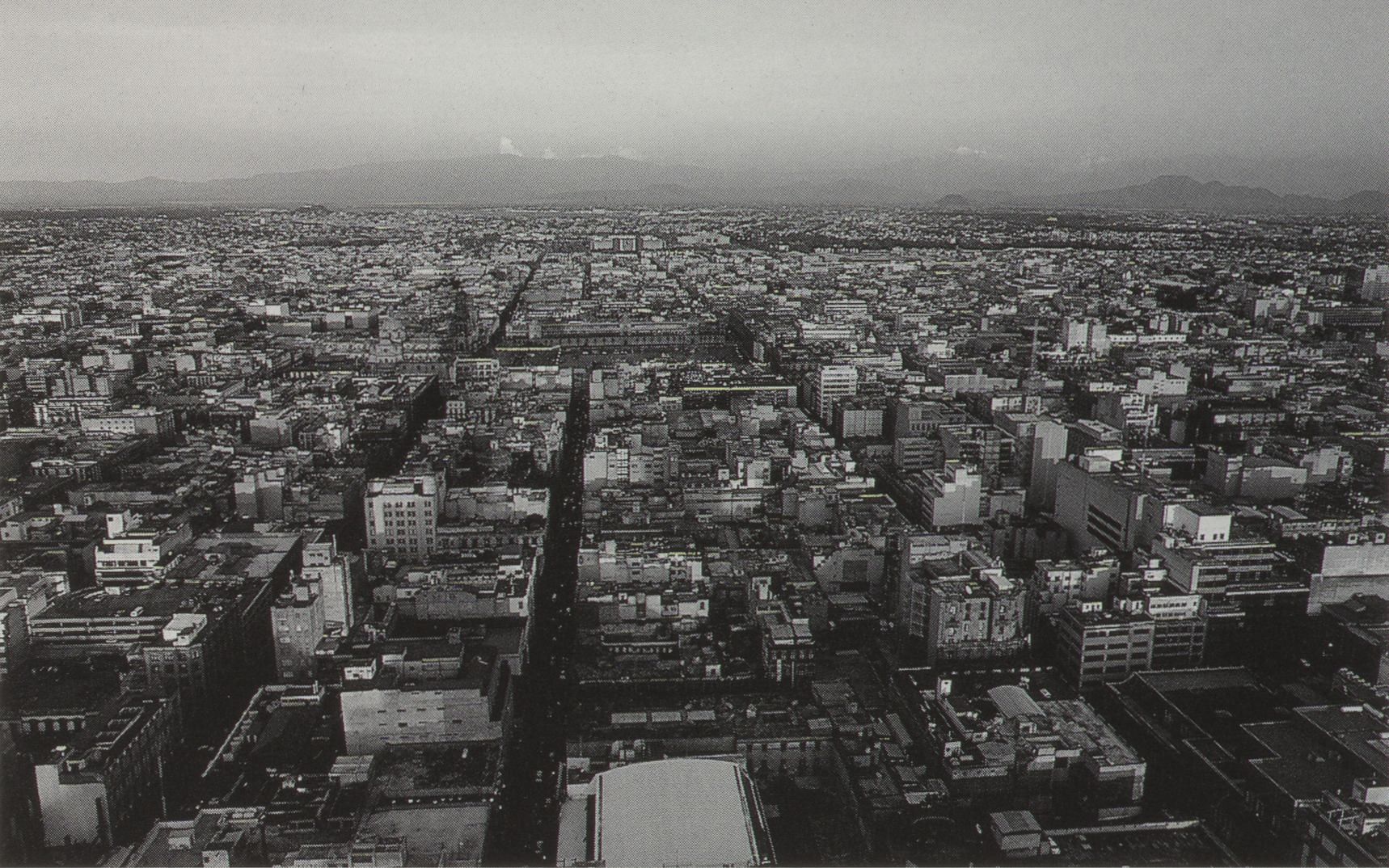
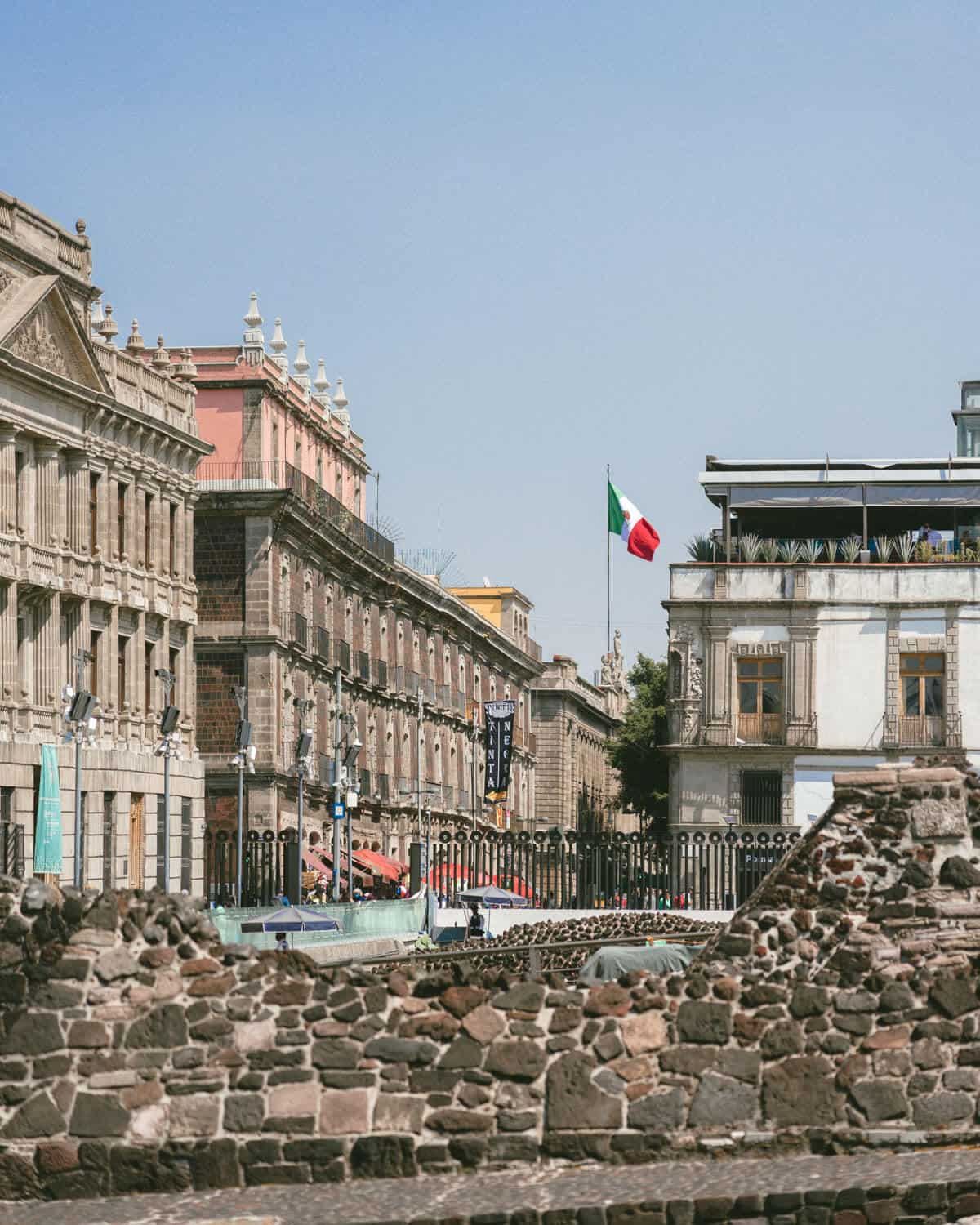
The Historic center of Mexico City transitioned from a state of deterioration, disinvestment, and depopulation to a vibrant urban experience. Rent freezes affected the interest to invest in building maintenance, which accelerated the degrading process. The rehabilitation process was stimulated by favorable conditions in the 90s, such as the reference to international historical restoration experience in Europe and North America, and national economic growth and decreasing inflation favoring real estate investment channeled in the downtown by urban policies. In 1989, an urban renewal program was launched to promote fiscal incentives with the condonation of property taxes between 1991 and 1993 for those intending to purchase historic properties to restore. Additionally, Nacional Financiera designed a package to finance the area's commercial and service infrastructure renovation. Transit infrastructure investments improved public transportation by implementing new subway lines, allowing restrictions on automobile use within the inner perimeter of the Historic Center (perimeter A). Funds provided by the developers building in higher-value areas in the city were channeled to the Historic Center and allowed the restoration of recreational, cultural, and educational buildings such as the Jose Luis Cuevas Museum, Bar Mata, the Cicero Centenario restaurant, the Salon Mexico, the Choir of Santo Domingo, the X'Teresa Alternative Art Center, the Bankers' Club, and the former National Law School. Funds were complemented by programs such as the "Echame una Manita" (Lend Me a Hand) - coordinated by the Historic Center Trust Fund - that oriented those who wish to rehabilitate a building, providing process licenses, credits, free restoration projects, and technical counseling, encouraging participation in the maintenance of the historic heritage. The Fideicomiso del Centro Historico (Historic Center Trust Fund) allowed the distribution of funds to recipients under the mission of restoring the buildings in the area. Thus, shopkeepers and building owners were stimulated to participate in renovation projects. Public investments assisted in the restoration of national monuments like the Cathedral and National Palace, Archbishop's Palace on Moneda Street, and the Mexico City Museum on Pino Suarez. The investment was specific to each building, with the exterior's restoration and the interior's adaptation with contemporary interventions. While private capital was directed to renovating facades and shops, public funds were invested in repairing public transit infrastructure, squares, sidewalks, streets, and urban furniture. The restoration and adaptive reuse of 800 historic buildings and the upgrade of public spaces over six years attracted new private businesses and stimulated tourism and the organization of public events. The Mexico City Historic Center project shows how it is possible to reverse a high level of urban deterioration without undermining the difficulty of countering existing market logic and the lack of economic interest in the area. Strong government support and programs implemented were necessary to accomplish the goal.
Project Leads
- Jorge De Gamboa
Organizations
- Mexico City National Bank
Stages
- Construction
- Design Development
- Schematic Design
- Planning
Site
Typology
Urban renovation; Historical HeritageLand use type
Mixed UseSize
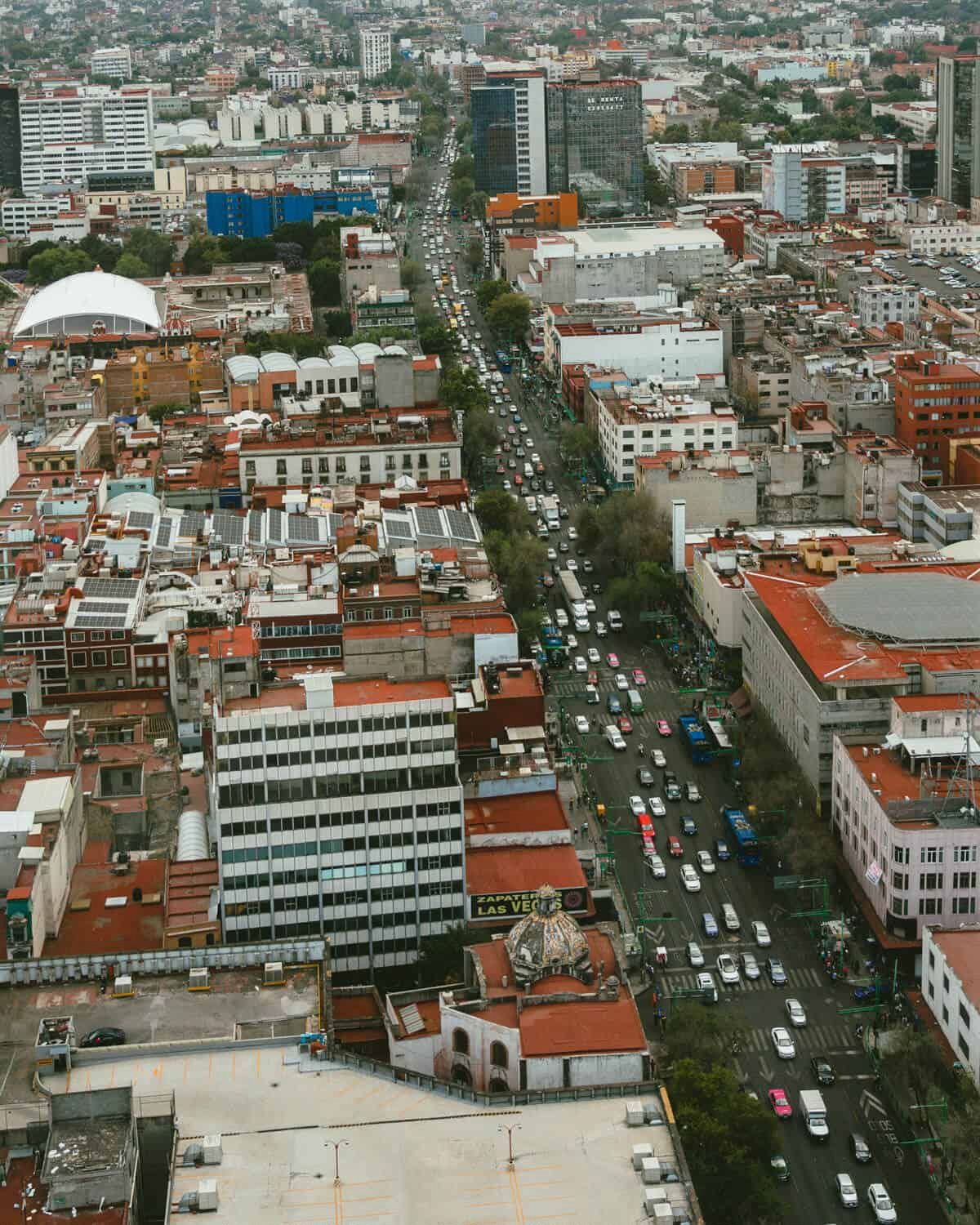
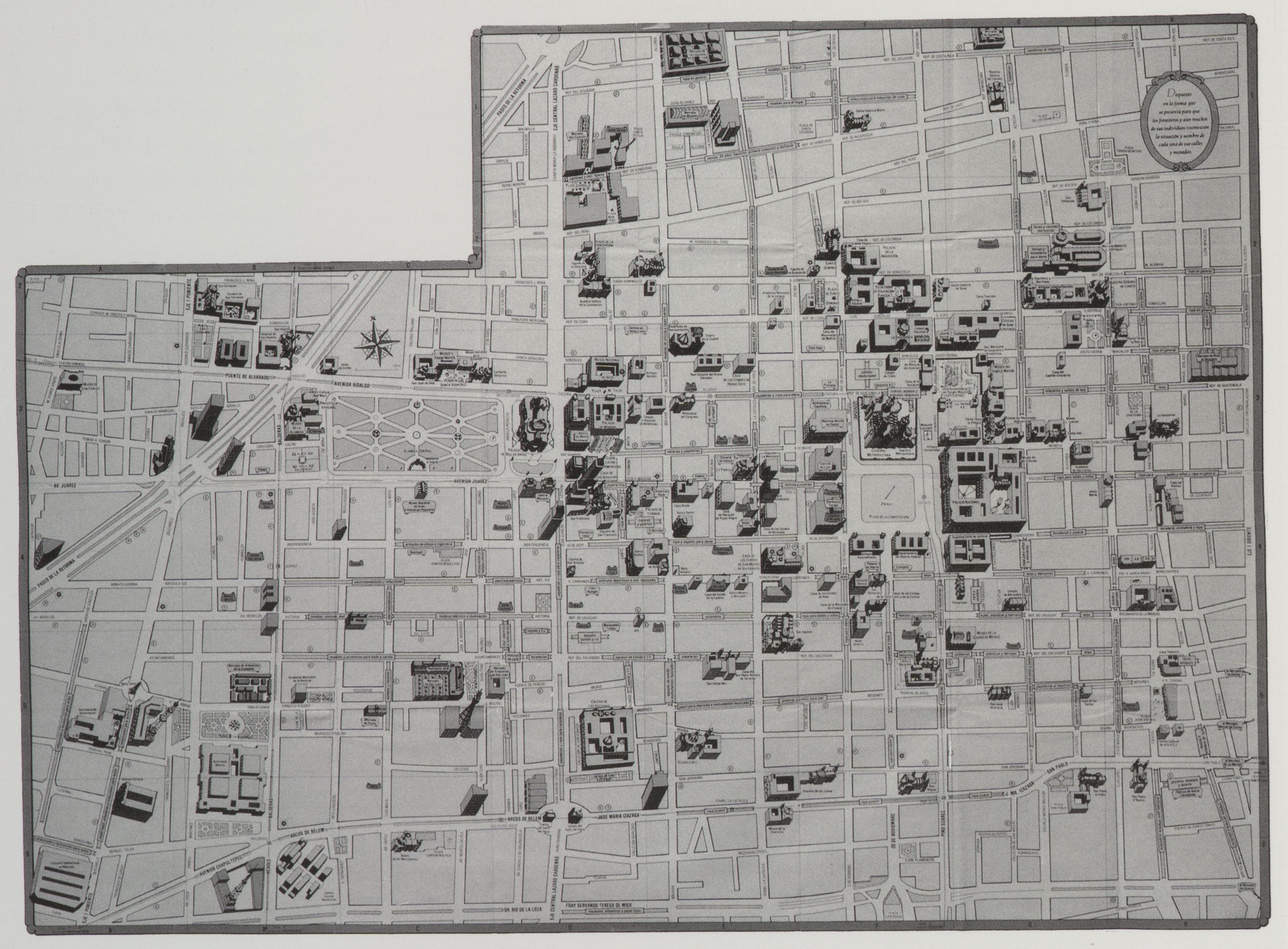
Composed of 1436 landmarked buildings, the urban fabric can be categorized in Perimeter A (approximately 3.2 km2) or the core of the colonial center in the city, and Perimeter B (5.9 km2), a buffer area formed by the 19th-century expansion.Population/density
61,229 inhabitantsGross floor area
Perimeter A (approximately 3.2 km2) and Perimeter B (5.9 km2).Community Infrastructure
- outreach programs
- cultural programs