Monte Carasso Master Plan
- historic
- place making
- open space
- infrastructure
- redevelopment
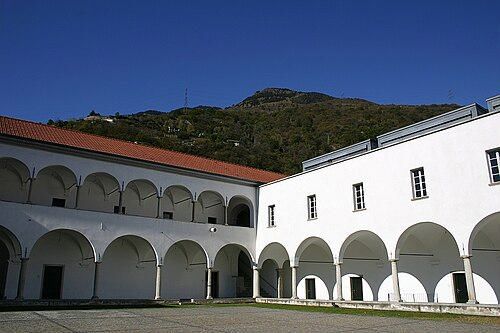
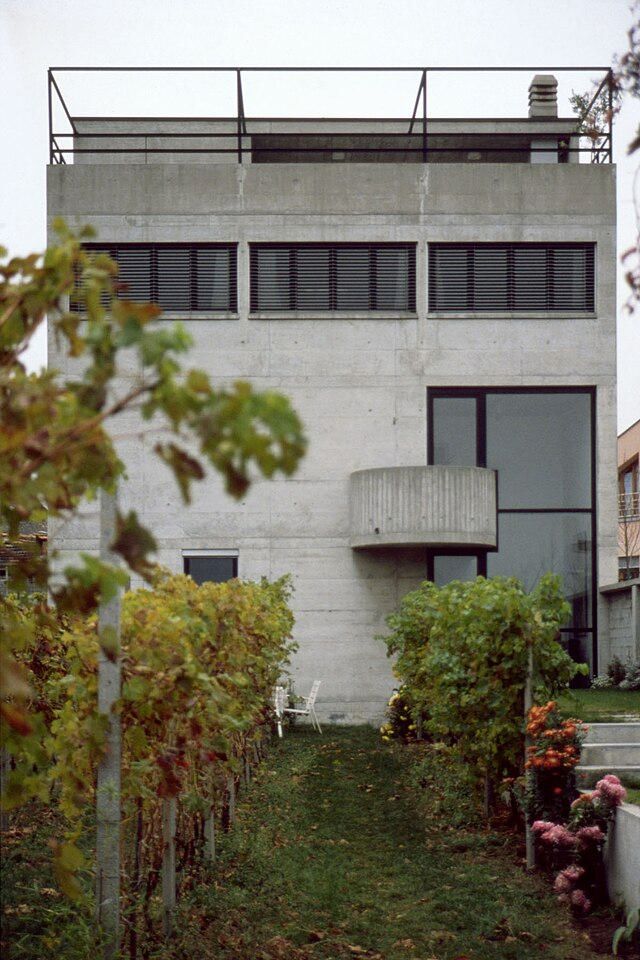
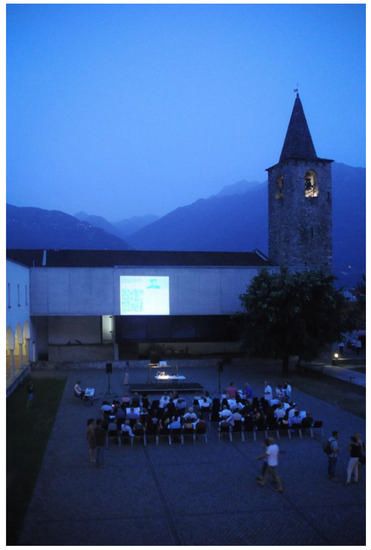
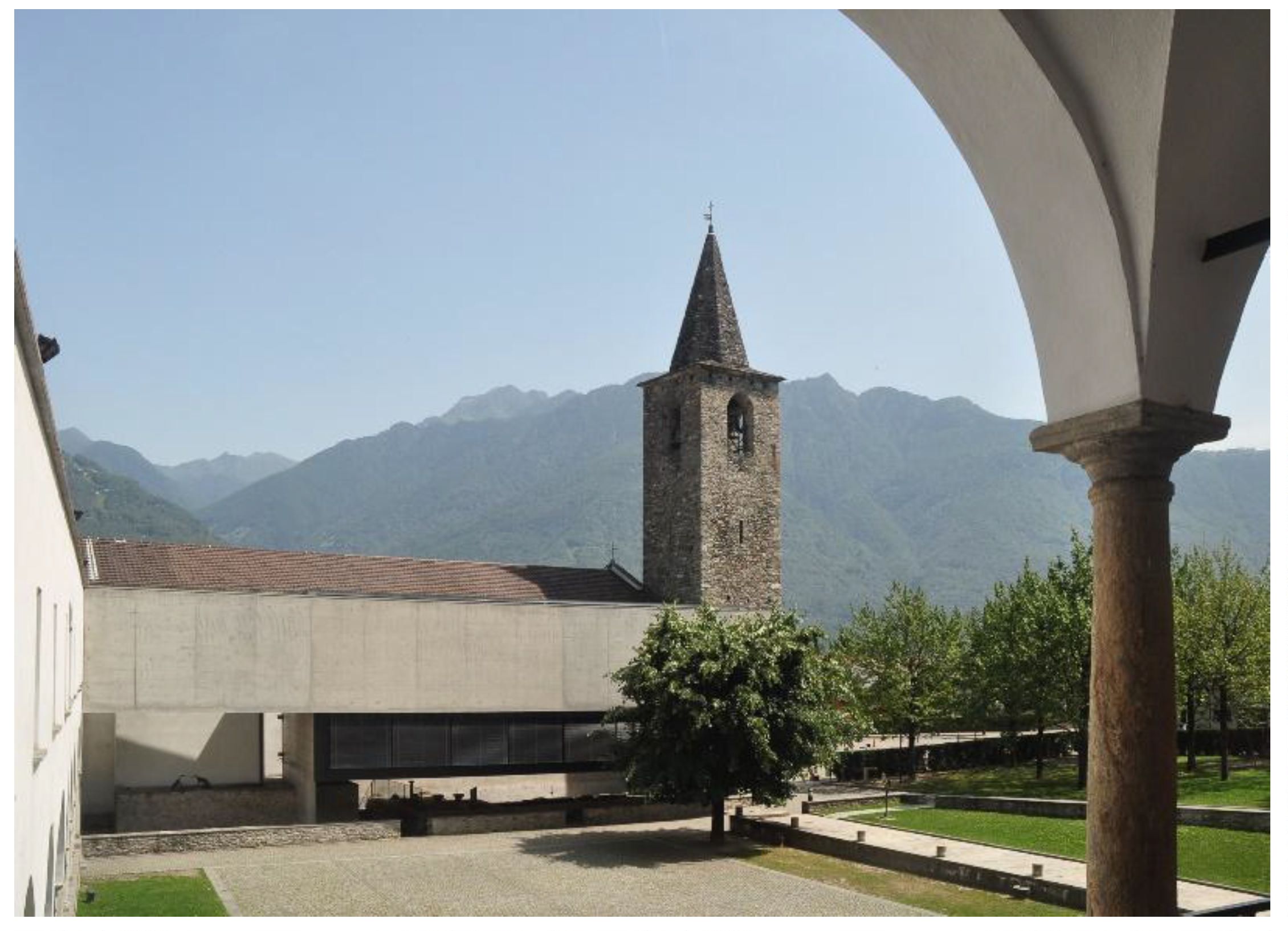
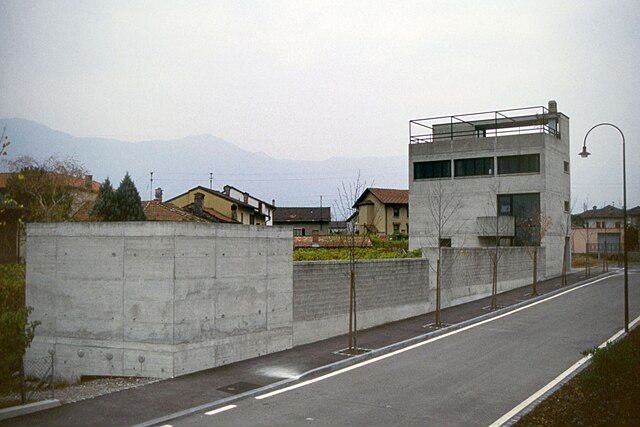
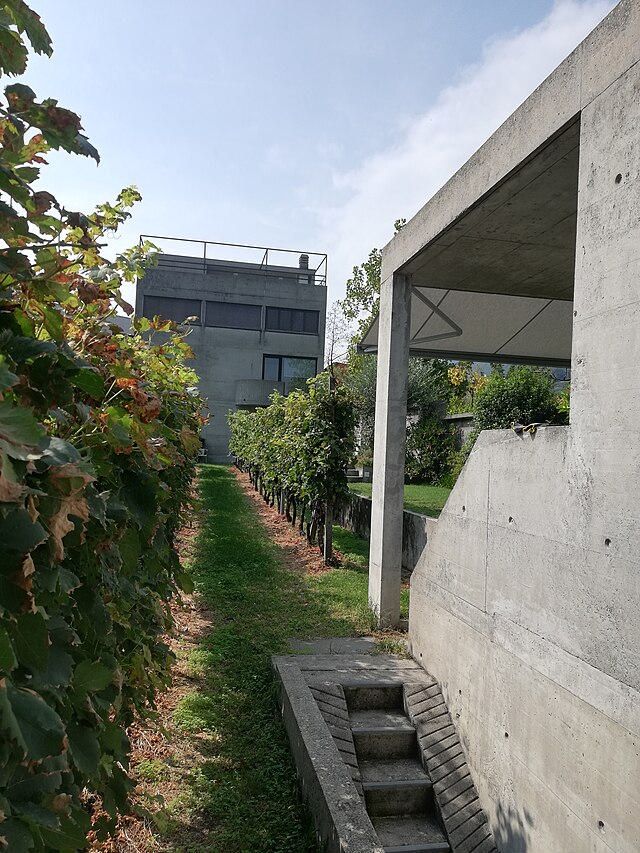
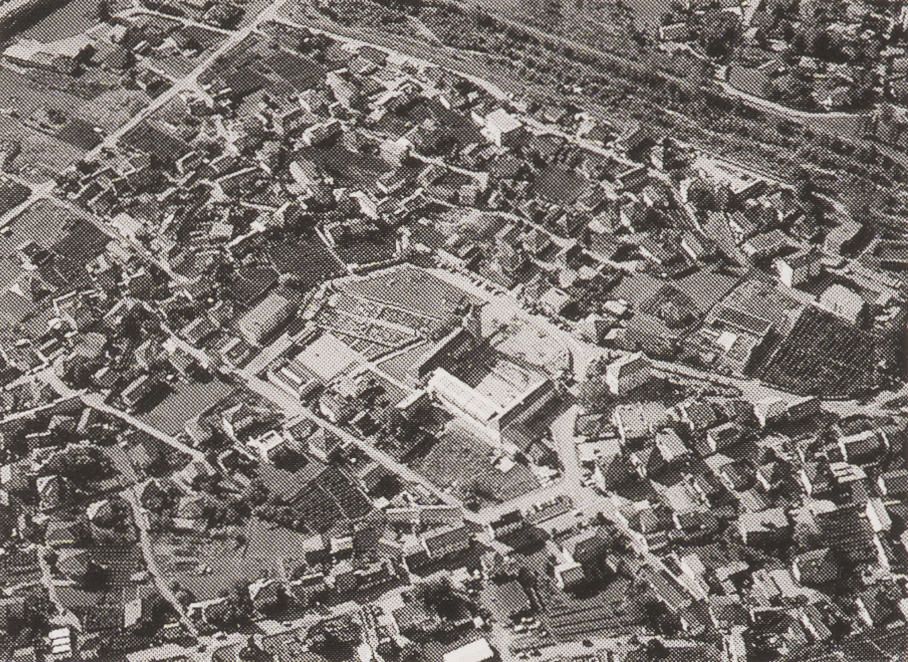
In exploring the transformation of Monte Carasso during Luigi Snozzi's decade-long involvement in the town's public projects, we encounter an architect who seized the opportunity to impose structure upon what he perceived as the chaos of suburban development. Rather than relying solely on a predefined master plan, Snozzi forged a tangible template for future developments. He harnessed the town's capital building program as a set of guiding principles for prospective construction endeavors. Despite the town's modest scale, Snozzi's innovative approach reshaped the trajectory of urban expansion. His projects were not merely functional in the present but were forward-looking, anticipating the town's growth around the foundation laid by these public infrastructures. Within this context, Snozzi's architectural interventions, both new constructions and rehabilitations, hinted at the latent potential Monte Carasso held. Interestingly, while his work restored the simplicity of an old convent by removing certain architectural embellishments, it also encouraged new additions at an urban scale, enriching the town's overall fabric. This approach exemplifies Snozzi's commitment to fostering a structured and thriving urban environment. Monte Carasso was a village of 1600 inhabitants in this part of southern Switzerland when Luigi Snozzi started his work in 1977. The village was slowly changing into a small town that did not have a city center with a church and a town hall that other towns were characterized with. At that time, the important landmarks of the town included the city hall, a church, and a medieval abbey that had been adapted to a housing of 110 units which lay vastly vacant. Luigi Snozzi was appointed to design the elementary school for the town of Monte Carasso. According to the master plan that was in place, Snozzi’s elementary school was supposed to be on the outskirts of the town, a site he was extremely against. He believed the school should be in the center of the town and be part of it instead of being pushed to the outskirts. After careful study, he found the old and disused abbey to be a suitable building which could be adapted for elementary school. Readapting the abbey meant converting an existing road that allowed vehicular movement to a pedestrian pathway and thus building a ring road around the center of the town where the abbey was located. The very essence of the project then became to generate a city center for a town that earlier had no center. This started the creation of a new set of urban design regulations that would guide the development in the center of the town and its surrounding area, thus leading to a new master plan. The new urban design guidelines were critically different than the previous one and to other historical areas in Switzerland, that were mostly conservative in their approach. It was necessary for Monte Carasso to densify in this city center area. To do so, a few guidelines were added which included the removal of setback requirements from zoning and the requirement of party-wall construction. The entire site needed to be enclosed with its borderlines clearly marked. Thus, the massing was being controlled through these guidelines but one thing Snozzi maintained was not to control the building form. He allowed usage of any material and thus allowed freedom for architects who had yet to build in Monte Carasso. The freedom did, however, allow possibilities of misunderstanding of the guidelines and leading to designs that may prove detrimental to the vision he was setting forth for the town. He put one more regulation in place that stated that ‘all new interventions must respect, or in any case address, the existing architecture and urban structure of Monte Carasso’. To enforce this regulation, he proposed the creation of a committee comprising architectural experts in this area who would judge the character of any new project that was to be built. Originally planned to consist of three members, the committee was ultimately reduced to a single individual due to economic and efficiency considerations, leading to Luigi Snozzi taking on this role. As the committee's leader, he maintained an impartial stance towards the later proposed projects. He ensured that, while adhering to the town's regulations for new development, valuable architectural designs were not dismissed solely based on regulatory constraints—a perspective he deemed overly conservative in urban development. He believed that both projects and rules should be evaluated in tandem, stating that "just as projects were to be judged by the rules, so the rules themselves had to be judged by the quality of the projects." This principle became evident early on when two initial projects would have been abandoned if strict adherence to the rules was upheld. However, it was clear that these projects were superior to what would have been achieved by following the rules to the letter. Consequently, in critical instances, they chose to bypass the rules when the project's quality surpassed the existing regulations. To Snozzi, the interplay among different architectural interventions i.e., the urbanism aspect of the projects held greater significance than the individual architectural aspects of each project. His overarching objective with the master plan was to fashion a town center that would serve as an exemplary public space. These principles manifested themselves clearly throughout the progression of various projects undertaken in Monte Carasso in the subsequent years. Some of the important projects are listed as follows. Central Public Space and Ring Road: Luigi Snozzi's design for the central public space and ring road involved a multifaceted approach. The existing town center road was transformed into a pedestrian pathway, while the partially existing ring road around the abbey precinct was reinforced to accommodate vehicles. This revitalization included the creation of new buildings along the road's outer edge, effectively framing the town center. The heart of this project comprises three interconnected and monumental public spaces: the abbey courtyard, an expanded cemetery, and a gymnasium complex. Cemetery Columbarium: Initiated in 1983 and completed in 1990, the Cemetery Columbarium project is a testament to Snozzi's meticulous planning. It consists of two groupings of burial vaults, thoughtfully arranged to form a circulatory cross-axis within the expanded cemetery. The design not only serves its functional purpose but also contributes to the overall aesthetic and spatial coherence of the cemetery. Gymnasium Complex: The Gymnasium complex, completed in 1984, stands as one of the most significant undertakings in Monte Carasso. This multifaceted structure seamlessly blends architecture, landscape, and circulation elements. It includes a stoa, an embedded pavilion, and a passageway, all artfully integrated into the town's northeast corner. Its scale and complexity exemplify Snozzi's commitment to creating functional yet aesthetically pleasing spaces within the urban fabric. Raiffeisen Bank: Completed in the same year as the Gymnasium complex (1984), the Raiffeisen Bank project showcases Snozzi's attention to detail. This compact structure accommodates both a banking office on the ground level and a residence above. Its facade, positioned directly along the road, not only serves its intended functions but also engages with the church and the adjacent piazza. The design thoughtfully references existing structures while providing a glimpse of the future architectural scale along the street. Guidotti House: The Guidotti House, completed in 1984, holds a special place in Monte Carasso's landscape. Situated amid a vineyard, the house's design draws inspiration from the natural modules of vines. This approach creates a seamless connection between architecture and the surrounding landscape. Locker Rooms for the Sporting Union: Another addition to Monte Carasso's evolving urban fabric in the mid-1980s, the Locker Rooms for the Sporting Union project plays a vital role. Positioned strategically, it defines an architectural boundary between the town's playing fields and the water purification plant. This project contributes to the functional and aesthetic organization of public spaces within the town. Morisoli House: Completed in 1988, the Morisoli House is one of several private commissions undertaken by Snozzi's office. While relatively small in scale, these projects are significant in their contribution to testing the effectiveness of the master plan. They offered valuable insights into how the overall design principles translate into individual residential structures. Guidotti Duplex House: Completed in 1991, this project showcases the advantages of the master plan's zero-setback guideline. Under the old zoning regulations, the lot's buildability would have been limited. However, the new regulations allowed for the construction of two houses on the same lot. This approach not only benefits the residents with private gardens but also increases the town's overall density. Elementary School: Luigi Snozzi's involvement in Monte Carasso began with the Elementary School project, completed in 1992. This project embodies the integration of the new into the old, as it consists of five double-story classrooms and is integrated into the partial restoration and reuse of the old abbey. This project represents an early milestone in the development of the town's Masterplan.
Project Leads
- Luigi Snozzi
Organizations
- Municipality of Monte Carasso
Stages
- Construction
- Design Development
- Planning
- Schematic Design
- Master Planning
Site
Typology
Urban MasterplanLand use type
Mixed UseSize
3.72 sq mi (9.64 square kilometers)