All Projects
Rwanda Institute for Conservation Agriculture (RICA)
Mwendo, the Gashora Sector

Rwanda Institute for Conservation Agriculture (RICA)

Mwendo, the Gashora Sector
  • cultural
  • ecological restoration
  • Masterplan
  • Mixed Development

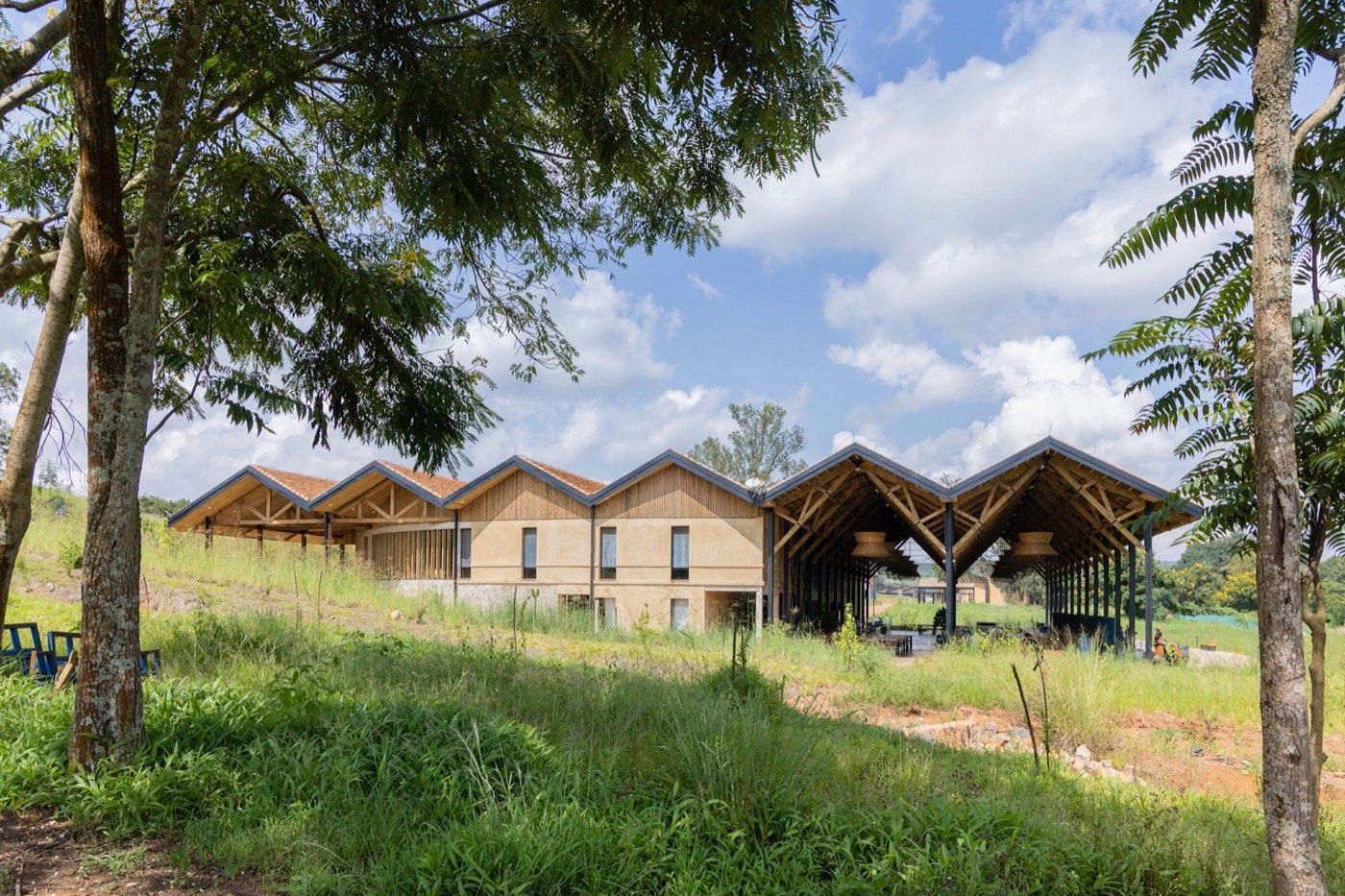
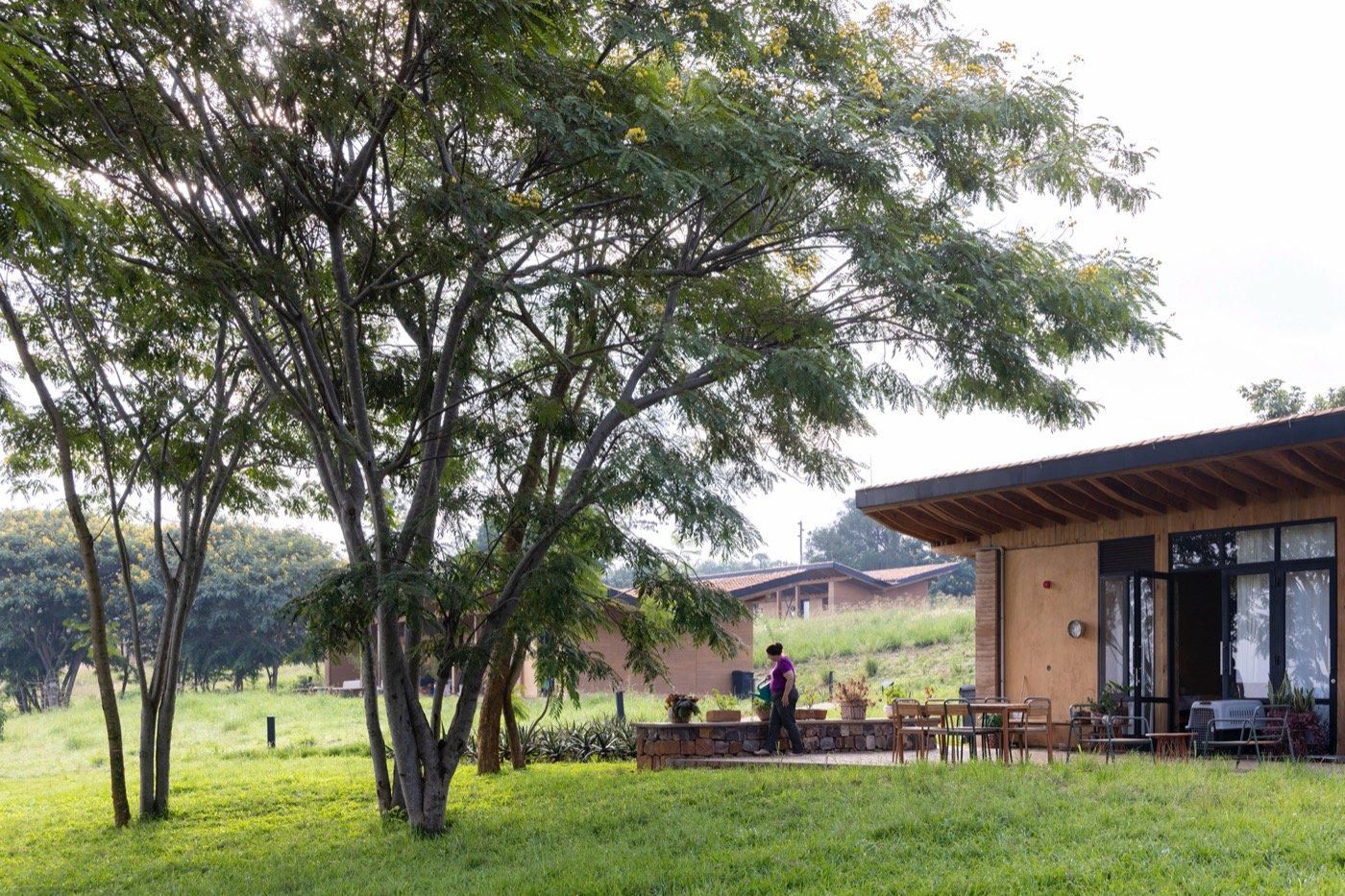
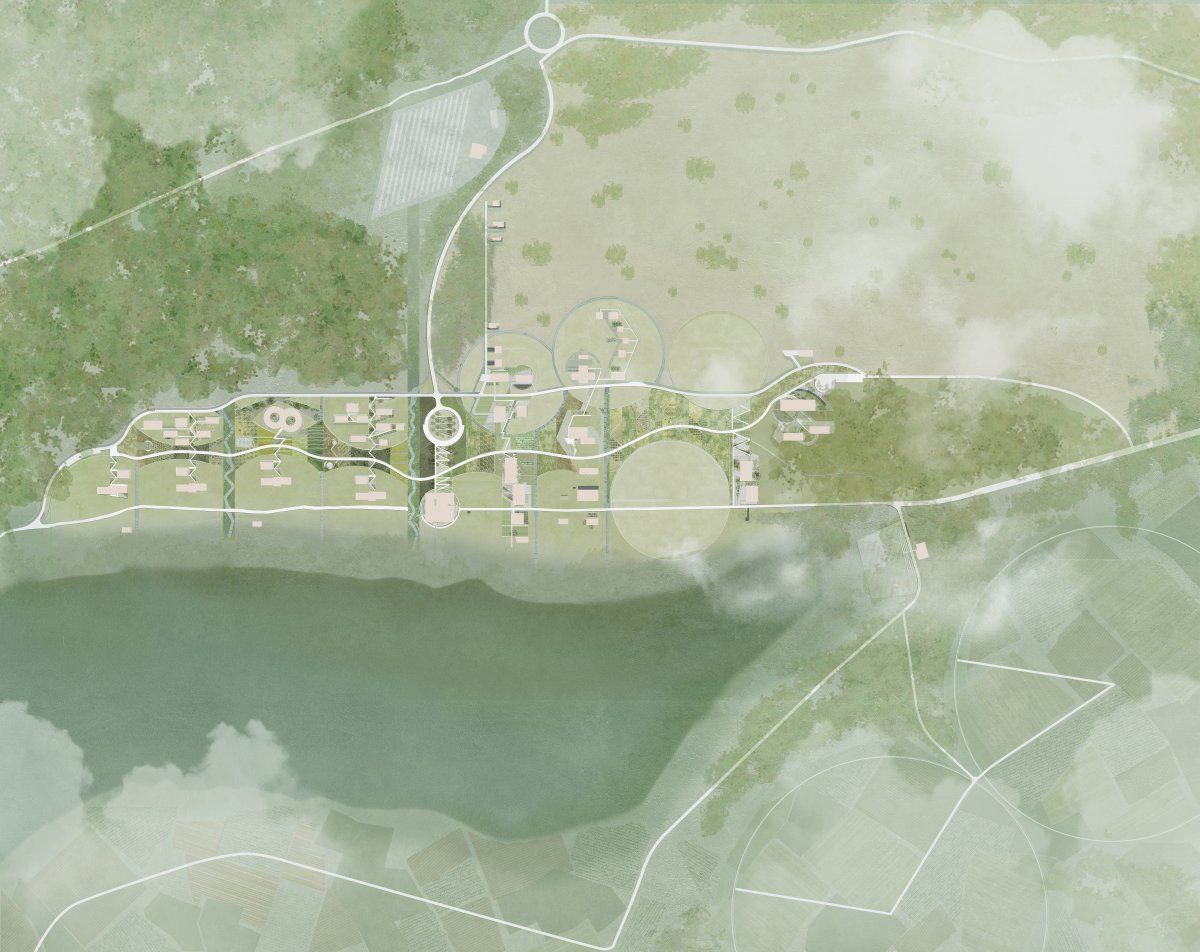
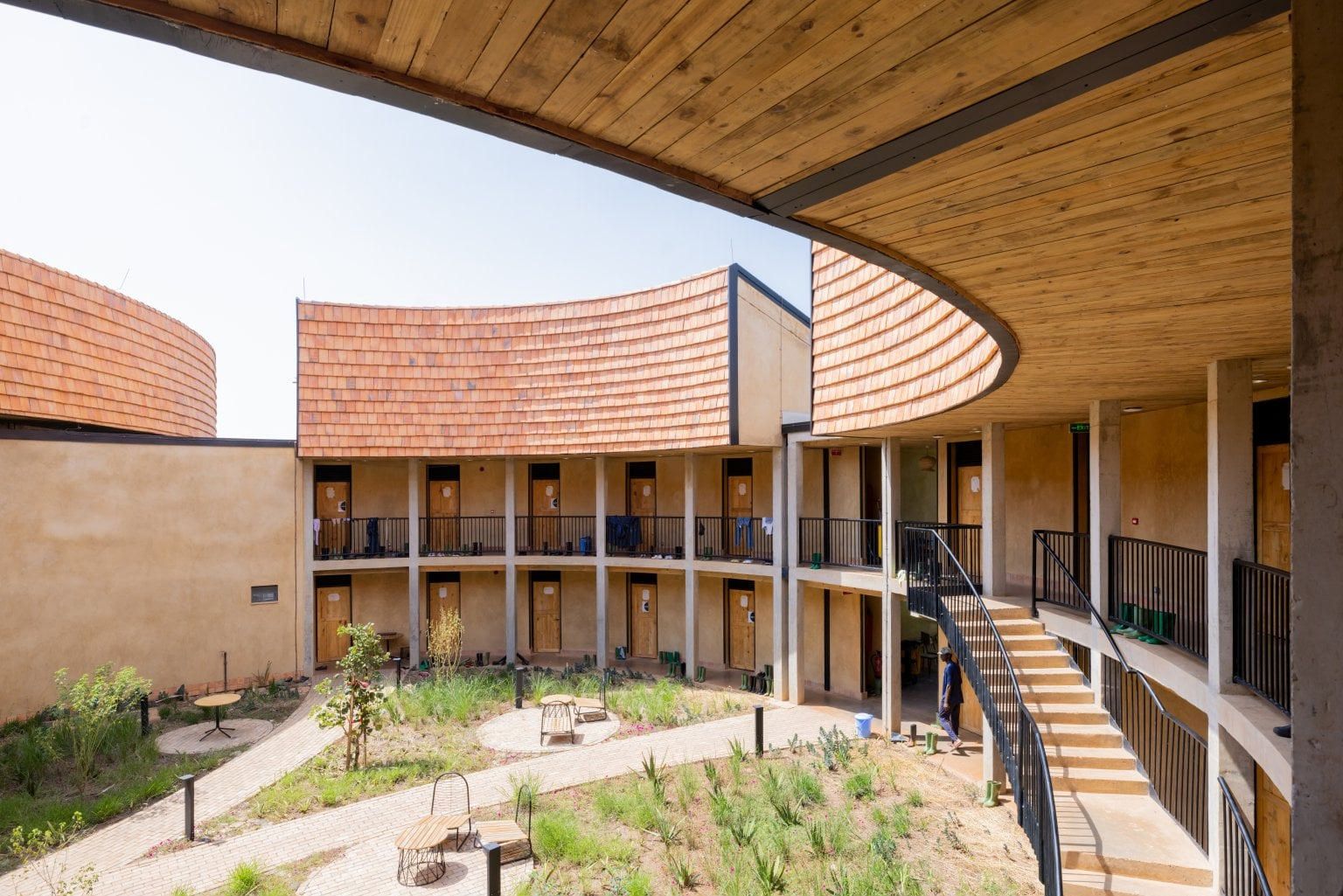
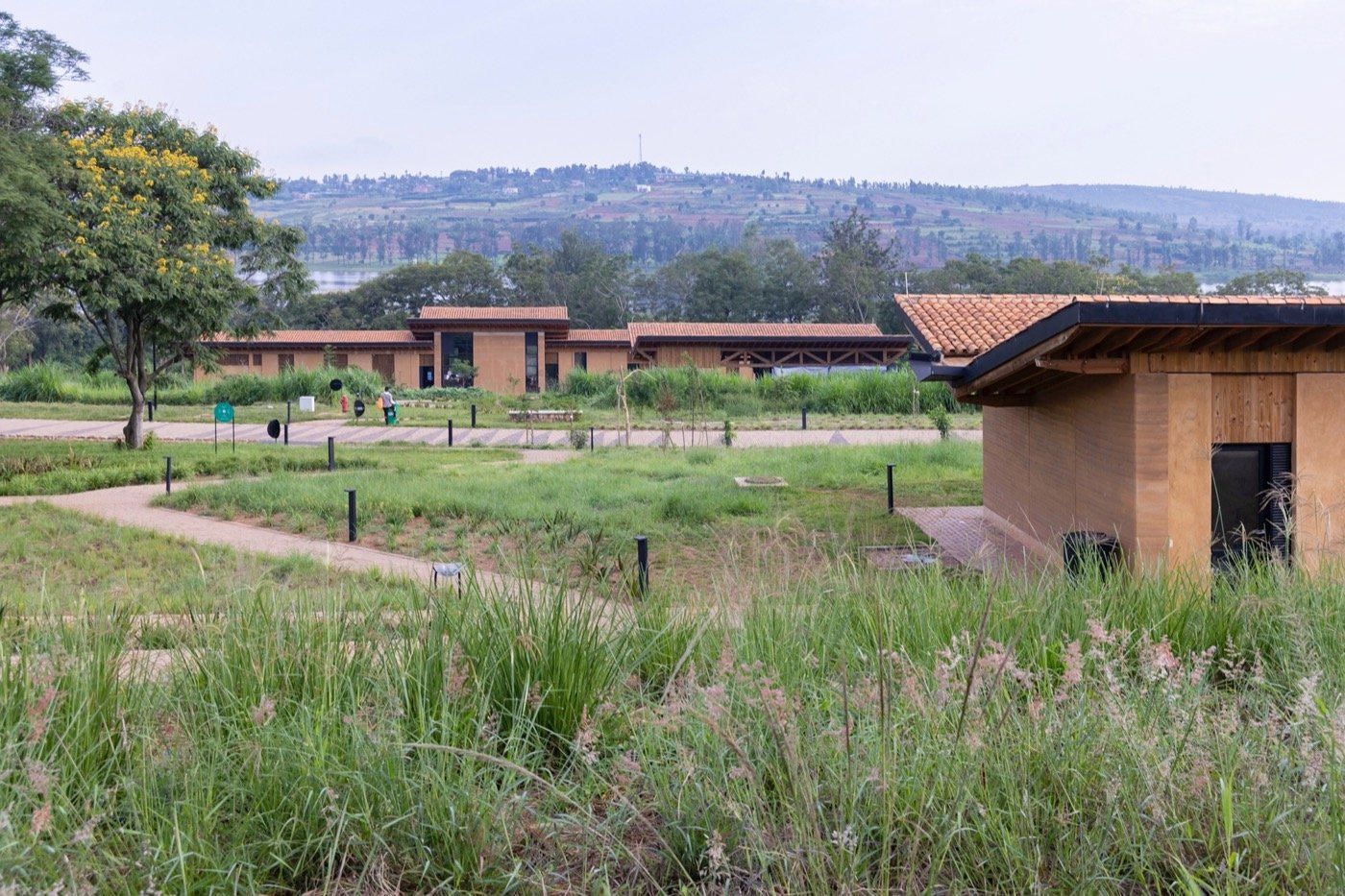
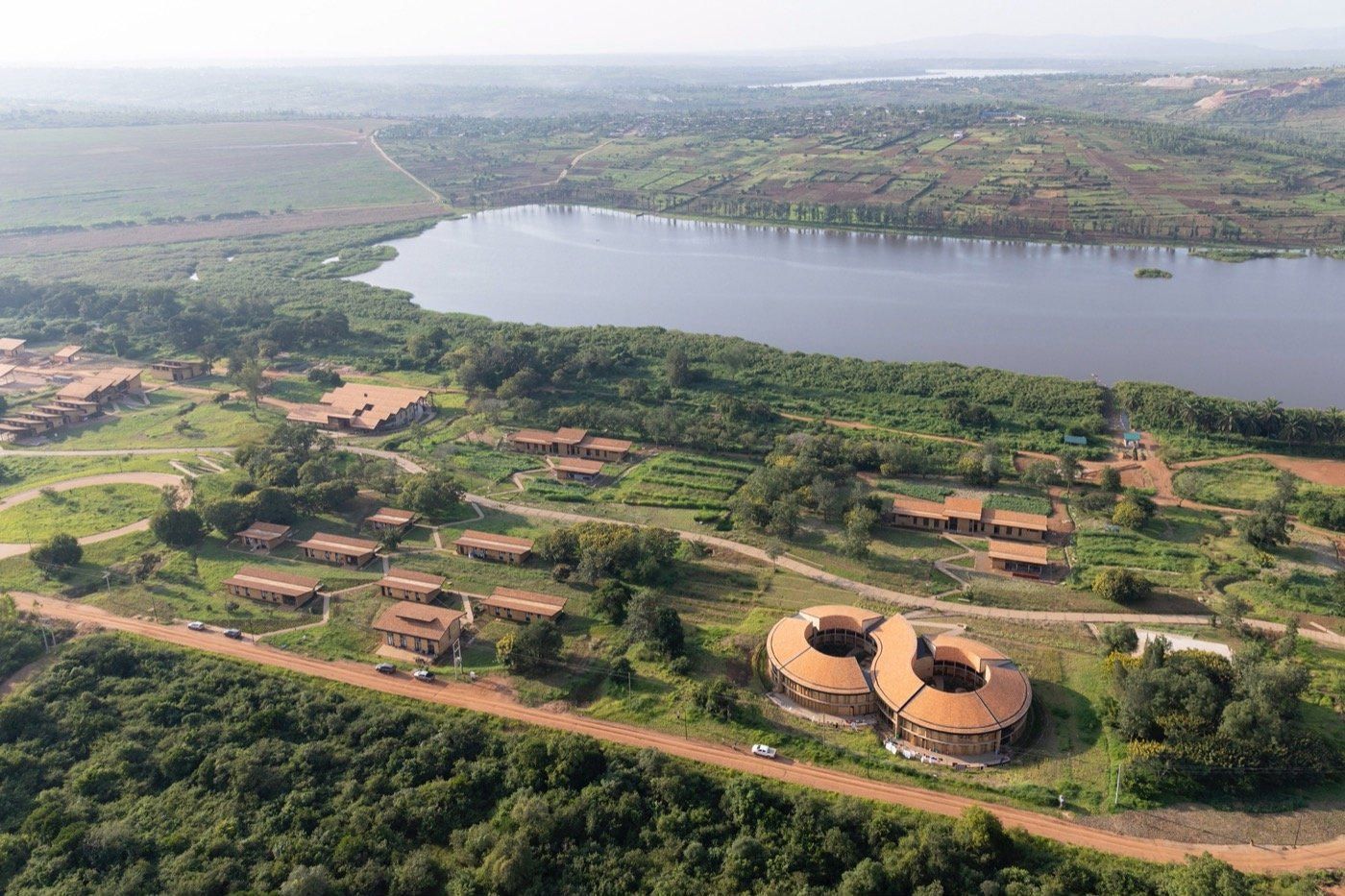
The Rwanda Institute for Conservation Agriculture (RICA) is a new higher-education campus in Bugesera District, south of Kigali, founded by the Government of Rwanda and the Howard G. Buffett Foundatio. RICA’s master plan encompasses more than 20,000 square meters of buildings within a 1,400-hectare landscape, sitting on rolling savannah along Lake Kilimbi, in an area undergoing rapid rural transformation. MASS Design Group led the master planning, architecture, landscape, engineering, furniture design, and construction. The campus opened around 2022 and has since been recognized with the 15th Veronica Rudge Green Prize in Urban Design for its integration of education, agriculture, and territorial landscape systems. Organized around the “One Health” philosophy, the campus harnesses symbiotic ecological–agricultural relationships and regenerative land-management principles to increase crop yields, utilized waste streams, healthier soils, and cleaner water. RICA’s mission is to train a new generation of Rwandan agricultural leaders who can deliver food security and climate resilience as the country’s population is projected to double by 2050. With Rwanda’s population expected to double by 2050, the Rwanda Institute for Conservation Agriculture (RICA) was established to support long-term food security by training a new generation of farmers and agricultural leaders capable of building healthy, sustainable food systems. The campus functions as a pedagogical landscape that fosters biodiversity, ecological stewardship, and community engagement. It connects human, animal, and environmental health through conservation and regenerative agriculture, which unify housing, academic spaces, barns, processing areas, stormwater systems, and off-grid energy infrastructure into one integrated setting.

Project Leads

  • MASS Design Group

Organizations

  • Howard G. Buffett Foundation
  • Government of Rwanda
  • MASS Design Group
  • Arup
  • Costwise Contractors
  • Arabella
  • Rwanda Institute for Conservation Agriculture (RICA)
  • Conspectus

Stages

  • Construction
  • Master Planning
Buildings in a row
Classroom

Site

Masterplan
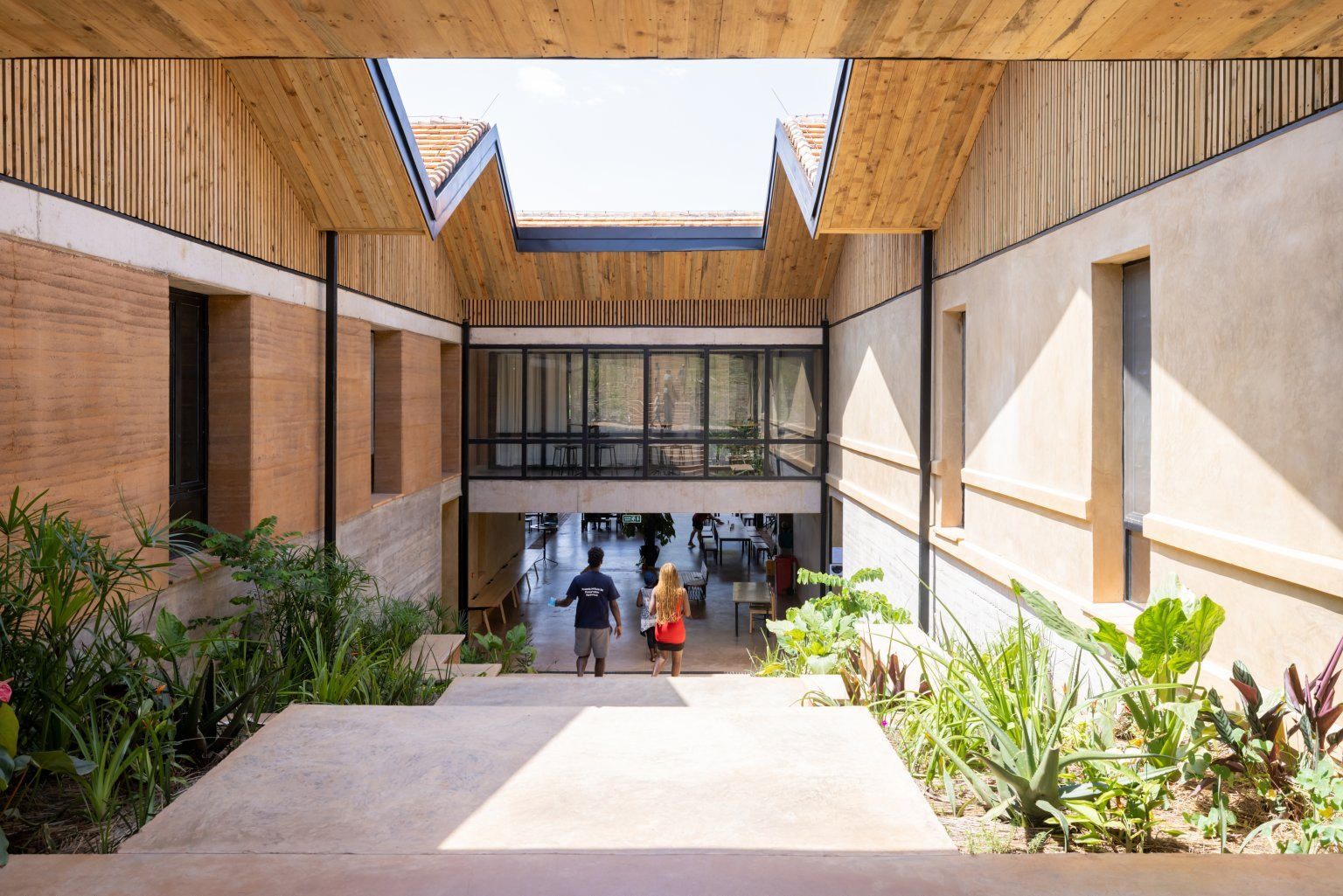
In terms of the design characteristics, a central spine organizes the campus, supporting social movement, daily circulation, and programmatic cohesion. Along this corridor, academic, agricultural, and residential functions are linked to creating an intuitive and walkable environment. RICA’s research goals require a wide range of livestock, such as dairy cattle, goats, and poultry,to correspond with the diversity of crop systems and irrigation types. The landscape architecture team therefore established spatial and ecological parameters for campus enterprises, including barn sitting and biosecurity buffers, circulation and feed routes, manure and compost management, and rotational grazing pastures. The campus is tailored to Bugesera’s hot, arid climate, using passive strategy (natural ventilation, daylight, shading, and thermal mass) to maintain comfort without mechanical cooling. Building orientations, roof forms, and shaded façades help reduce heat while keeping indoor spaces bright and airy. Sustainability shapes the project more broadly: landscape restoration and careful material choices support the goal of net-zero carbon. A 1.5-MW solar array provides all operational energy and powers the campus’ water and irrigation systems. With 96 percent of materials sourced within Rwanda and 90 percent of the budget spent locally, RICA’s embodied carbon is estimated to be 58 percent below the global institutional average, positioning the campus to become carbon-positive by 2044. Water and waste systems are one of the key structures of the campus. A treatment plant processes human wastewater for reuse in forage irrigation, while animal waste is collected and composted through a coordinated, bio secure landscape network. with on-site energy and agricultural systems, these visible infrastructures function as educational elements and demonstrate RICA’s commitment to regenerative and conservation-based development. In short, RICA’s philosophy is grounded in Conservation Agriculture and the One Health framework, which recognizes the interdependent well-being of people, animals, and ecosystems. The curriculum is built around experiential learning, where students study soils, crops, and livestock while managing farms as functioning enterprises and developing value-added products.

Typology

Rural landscape campus, Conservation agriculture

Land use type

Educational

Size

1,400 hectares of land, about 20,000 square meters of built area.

Population/density

326 people/km² Gashora Sector (where RICA is located)

Community Infrastructure

  • art programs
  • educational partnerships
  • ecological horticulture initiatives

Timeline

2015-2022

People

Awards

Veronica Rudge Green Prize in Urban Design

7/10/2025

In 2025, RICA’s campus in Bugesera, Rwanda received the 15th Veronica Rudge Green Prize in Urban Design, recognized for its exemplary integration of ecological sustainability, community-centered learning, and landscape-based planning in a rural context. The prize, established in 1986 to commemorate Harvard University’s 350th anniversary and the 50th anniversary of the Harvard GSD, honors projects that make outstanding contributions to the public realm

Jury

Jungyoon KimJuror
Dan StubbergaardJuror
Kongjian YuJuror
Joan BusquetsJury Chair

Media

Filters:
No records.

Texts

Filters:
No records.

Bibliography

Sort