Magnitogorsk
- social fabric
- working class
- historic
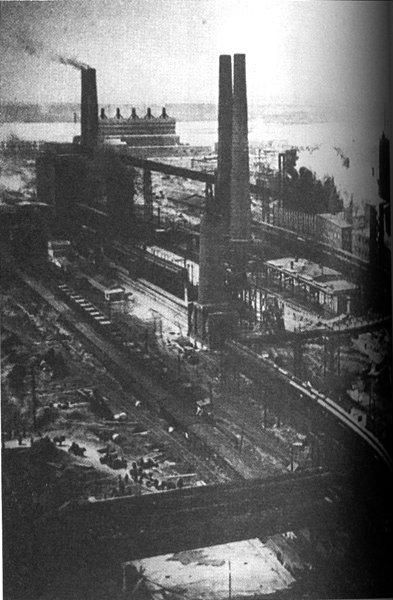
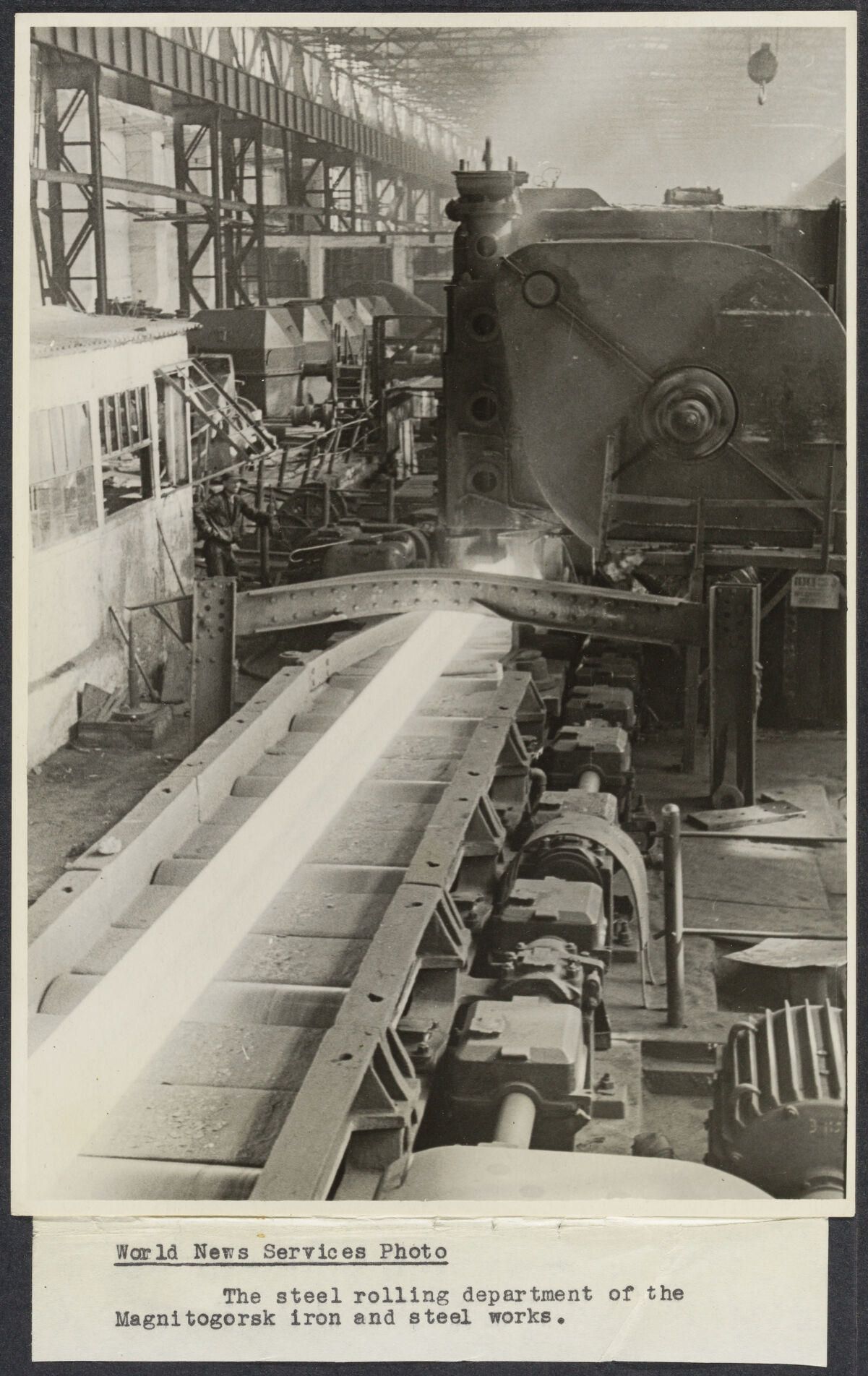
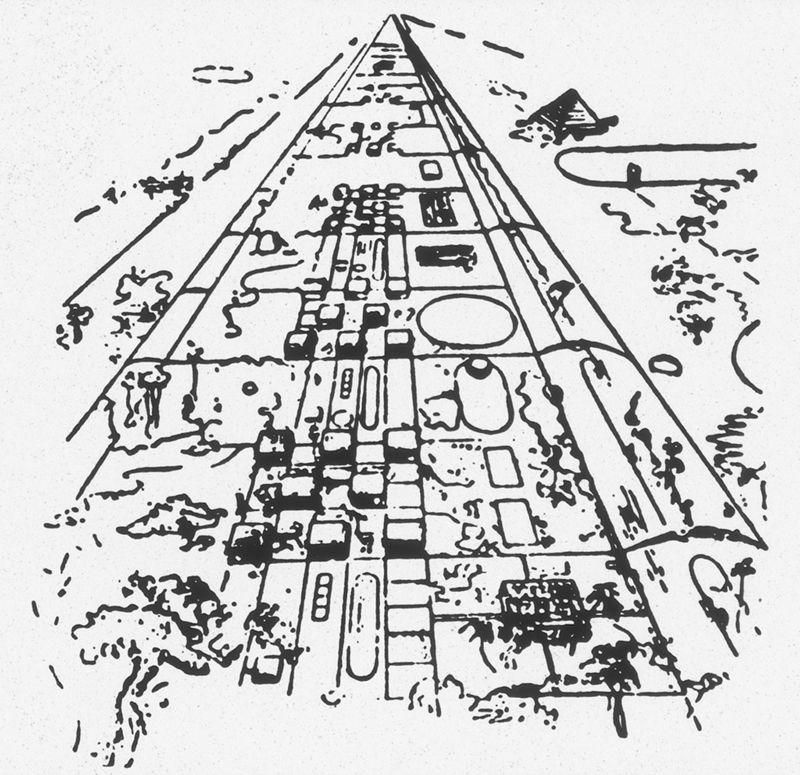
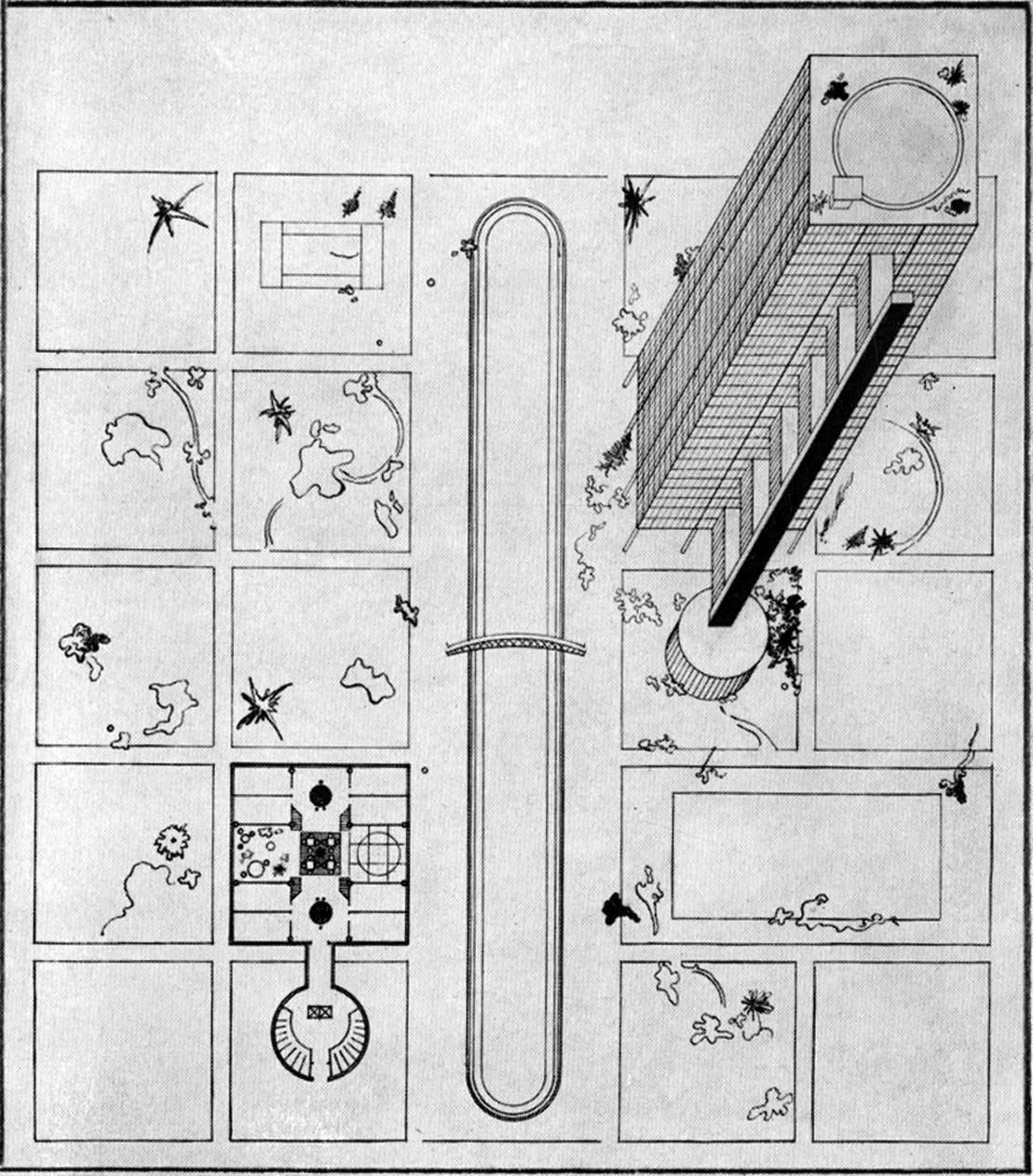
Located on the eastern slopes of the Ural Mountains, along the Ural River, Magnitogorsk was established in 1929 as part of the Soviet Union’s aggressive push for industrialization under Stalin’s First Five-Year Plan. Chosen for its proximity to rich iron ore deposits, the city was intended to become the USSR’s (Union of Soviet Socialist Republics) flagship steel-producing center—a modern industrial utopia built from scratch. But beyond its economic function, Magnitogorsk also became a stage for an ambitious experiment in socialist urban planning. The design and planning of Magnitogorsk in the early 1930s emerged as a critical ground for two competing ideological visions of socialist urbanism: Urbanism and Disurbanism. As the USSR aimed to rapidly transform its industrial capacity and social organization, planners and architects debated not only how to construct new cities, but what spatial form would best support the ideals of collectivism and equality. The planning competition for Magnitogorsk brought together both Soviet and foreign architects, sparking a confrontation between two distinct paradigms. On one side were the Urbanists, who believed the city could function as a revolutionary tool for organizing collective life and improving industrial efficiency through compact, functionally zoned layouts, with industrial zones, green buffers, and standardized housing organized into rational superblocks. Key representatives included Ernst May, a German modernist invited by the Soviet government; Moisei Ginzburg and the OSA Brigade (Organization of Contemporary Architects); and Soviet theorist Nikolai Milyutin. May’s scheme proposed a linear city along the Ural River, with prefabricated housing aligned parallel to the Magnitogorsk steel plant to allow rapid construction and ease of access for workers. Ginzburg and the OSA Brigade advanced Sotsgorod (socialist city) models, which included Dom-Kommuna communal housing blocks with shared social facilities. These Urbanist plans prioritized collectivism and centralized services, aligning architectural form with the political goals of the state. On the other side stood the Disurbanists, who rejected the traditional compact city form entirely, envisioning a decentralized, networked linear model of dispersed settlements embedded within infrastructure and nature. Their vision sought to eliminate the divide between city and countryside by dissolving the urban core into a dispersed network of settlements integrated with infrastructure and the natural environment. They proposed ribbon-like linear development stretched across the landscape, linked by communication systems and electrified transport. The most prominent advocate of this vision was Mikhail Okhitovich, a member of the LEF (Left Front of the Arts), who theorized the replacement of cities with decentralized, functionally combined systems of housing, agriculture, and industry. Ivan Leonidov’s 1930 Magnitogorsk proposal is often associated with this disurbanist approach: his radical plan envisioned transparent glass megastructures, elevated monorails, and distributed civic centers—a utopian spatial model aiming to dissolve urban hierarchy and embed socialist life directly into the landscape. In the end, the Urbanist approach was favored in practice, largely due to its feasibility under Stalin’s centralized industrialization strategy. The logistical demands of building large-scale steelworks, transportation hubs, and mass housing made compact, centralized planning more practical. While Disurbanist theory generated intense debate in the early 1930s, it was soon dismissed as utopian and unrealistic, especially under the authoritarian turn of the Soviet state. However, elements of disurbanist thinking, such as interest in decentralization and infrastructure connectivity, resurfaced in later planning discussions, influencing mid-20th-century technological utopian projects and even aspects of post-Soviet urban discourse.
Project Leads
Organizations
- German Planning Brigade
- People’s Commissariat of Heavy Industry (NKTP)
- Gosplan (State Planning Committee)
- Gulag System (NKVD-administered labor camps)
- Arthur G. McKee & Company (U.S.)
- W.S. Orr & American engineers
- Koppers & Company
- City Soviet (Городской Совет / Gorodskoy Sovet)
- OSA Group (Union of Contemporary Architects)
- GIPROGOR (State Institute for Urban Design)
Stages
- Master Planning
- Schematic Design
- Design Development
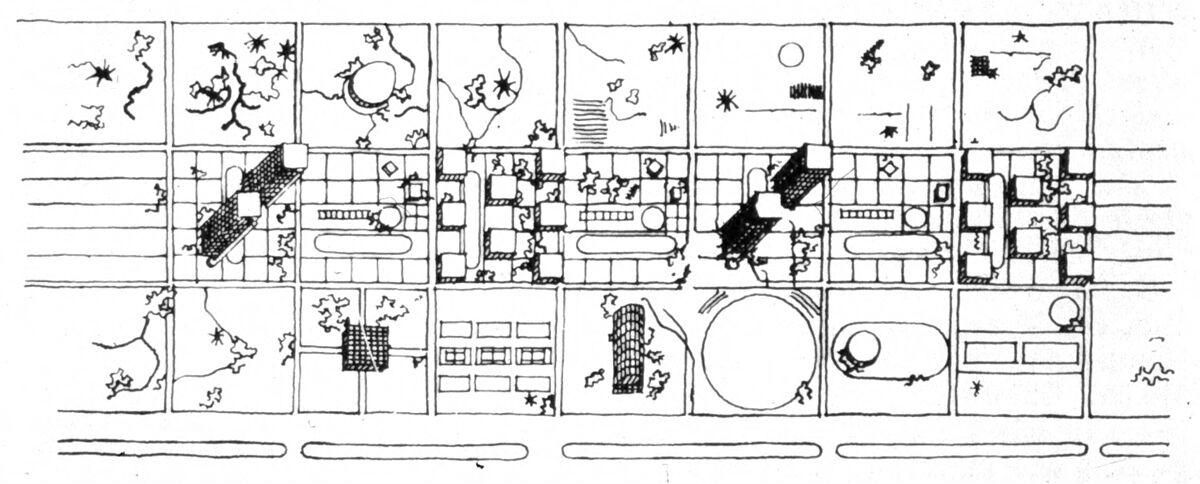
Site
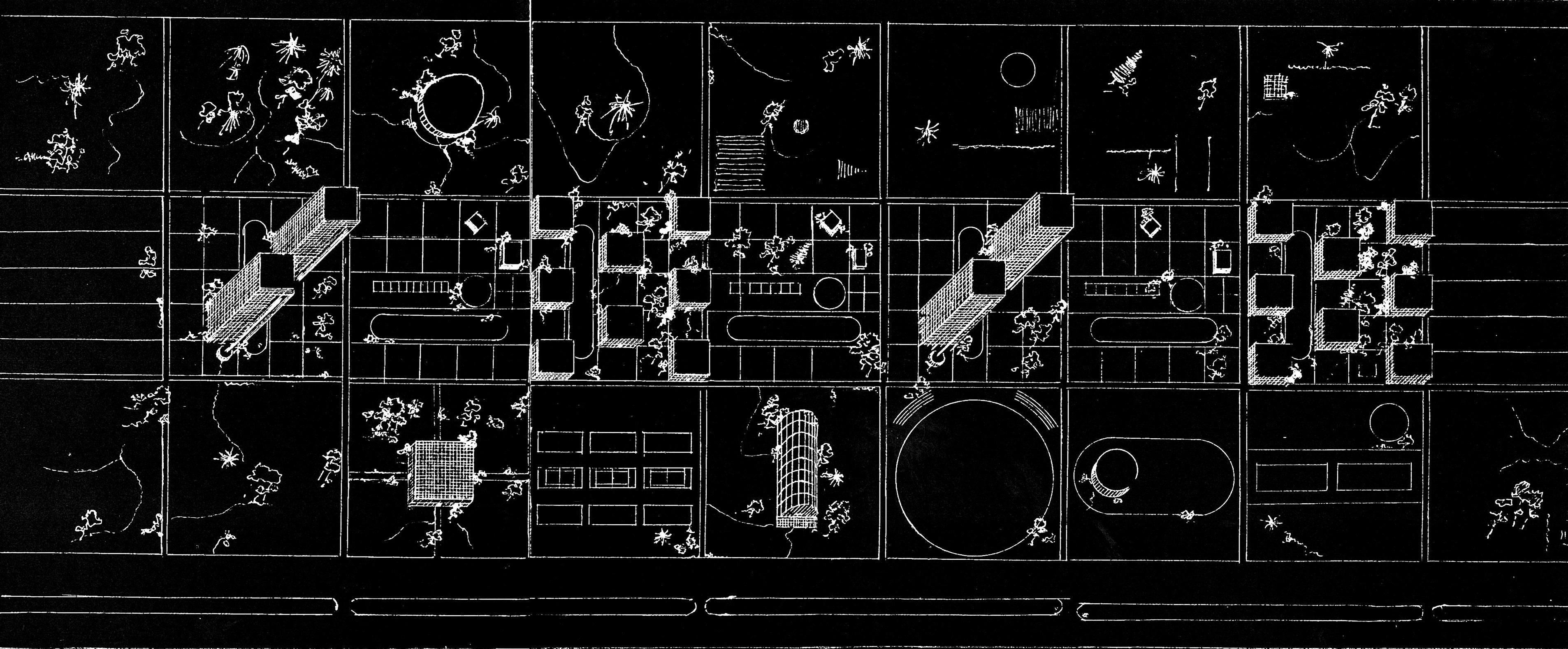
Typology
Linear Industrial City, Socialist City, UrbanistLand use type
Mixed UseSize
400 km² (City area)Population/density
1,000 people per km²Community Infrastructure
- cultural programs
- outreach programs
- physical mobility
- public park
- public transportation
- sports courts