Chandigarh1947-1965
- Masterplan
- place making
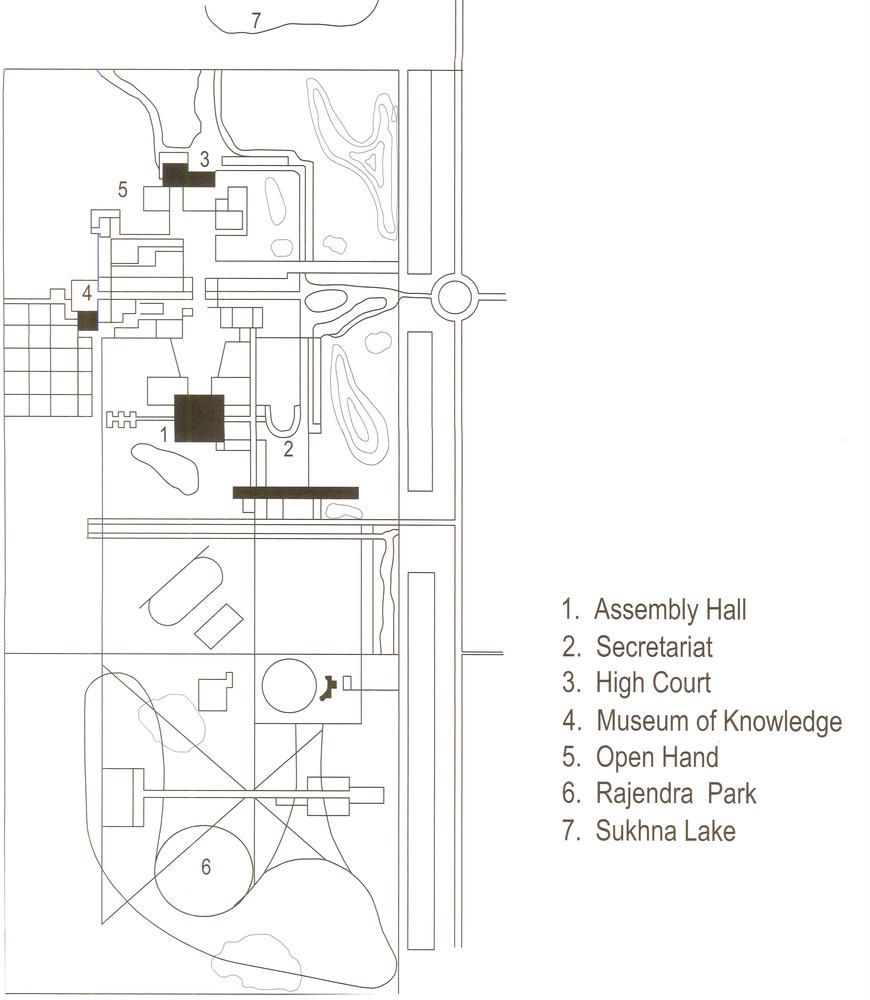
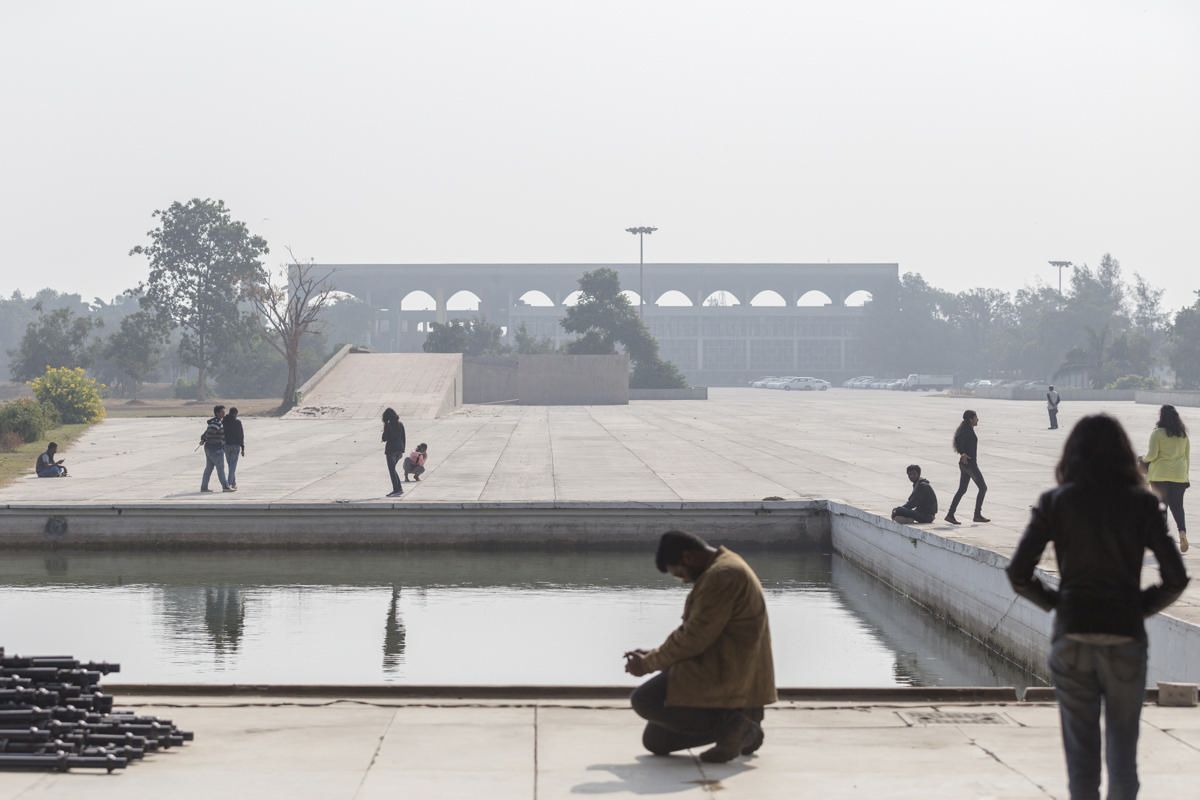
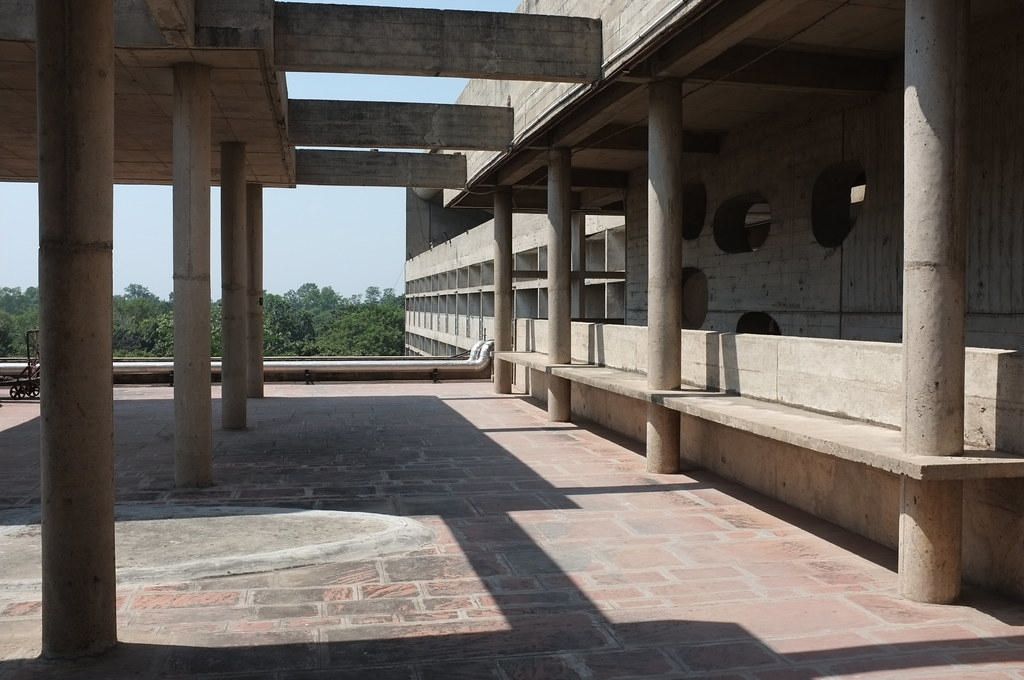
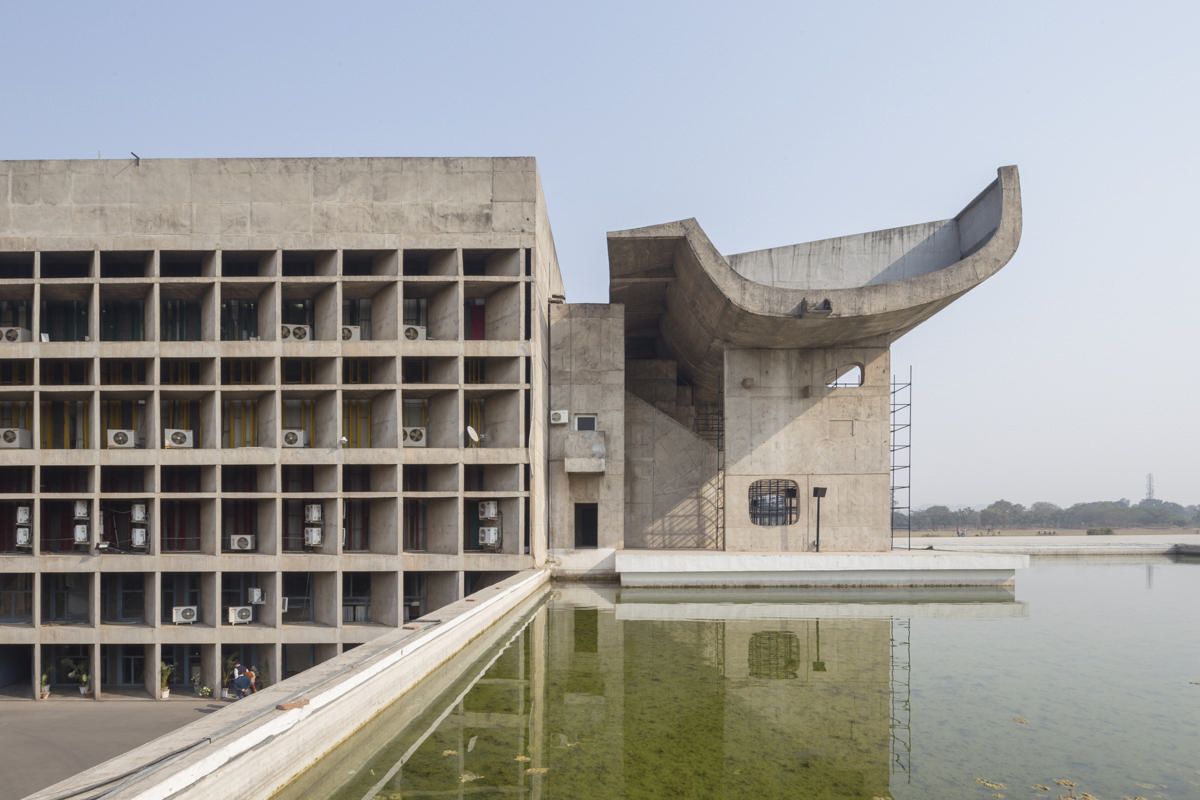
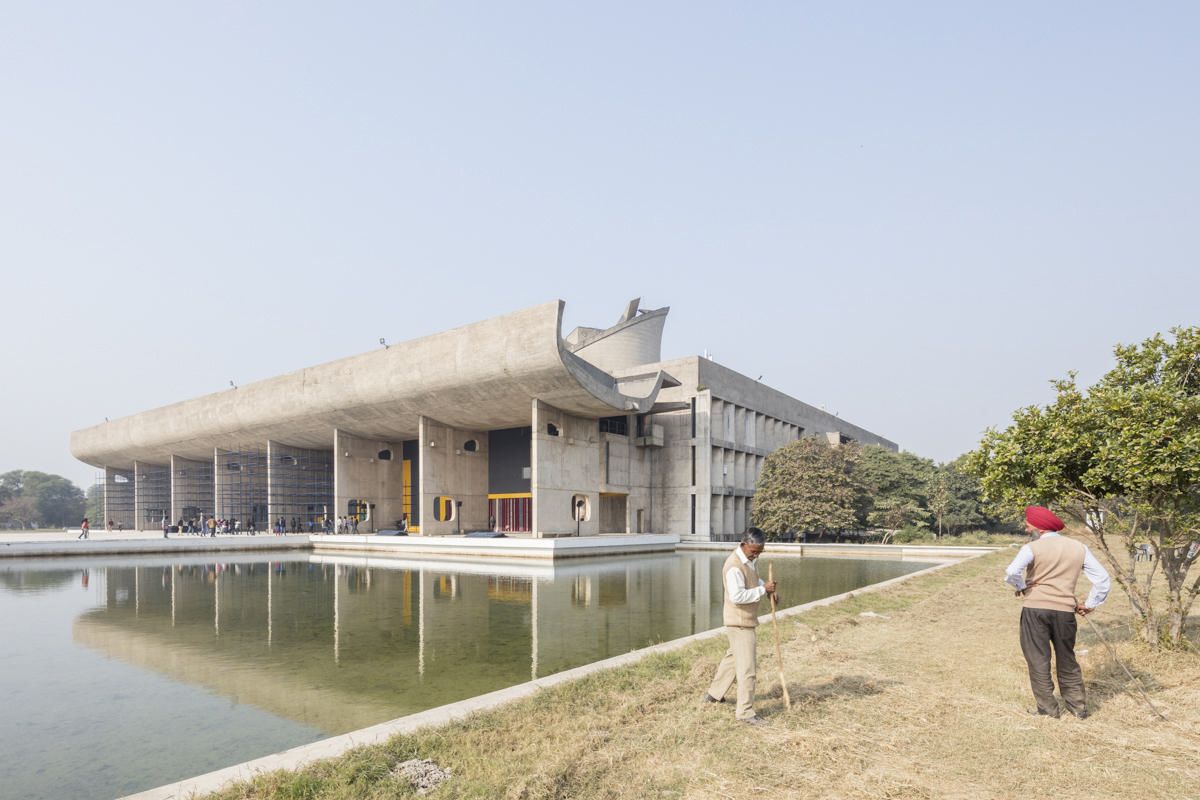
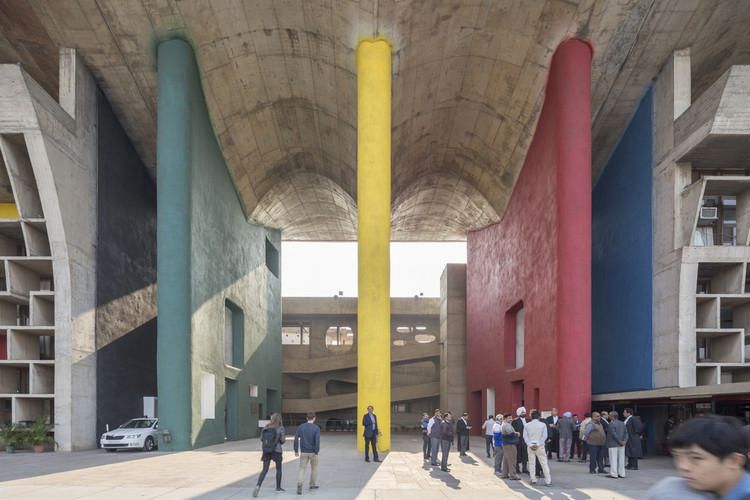
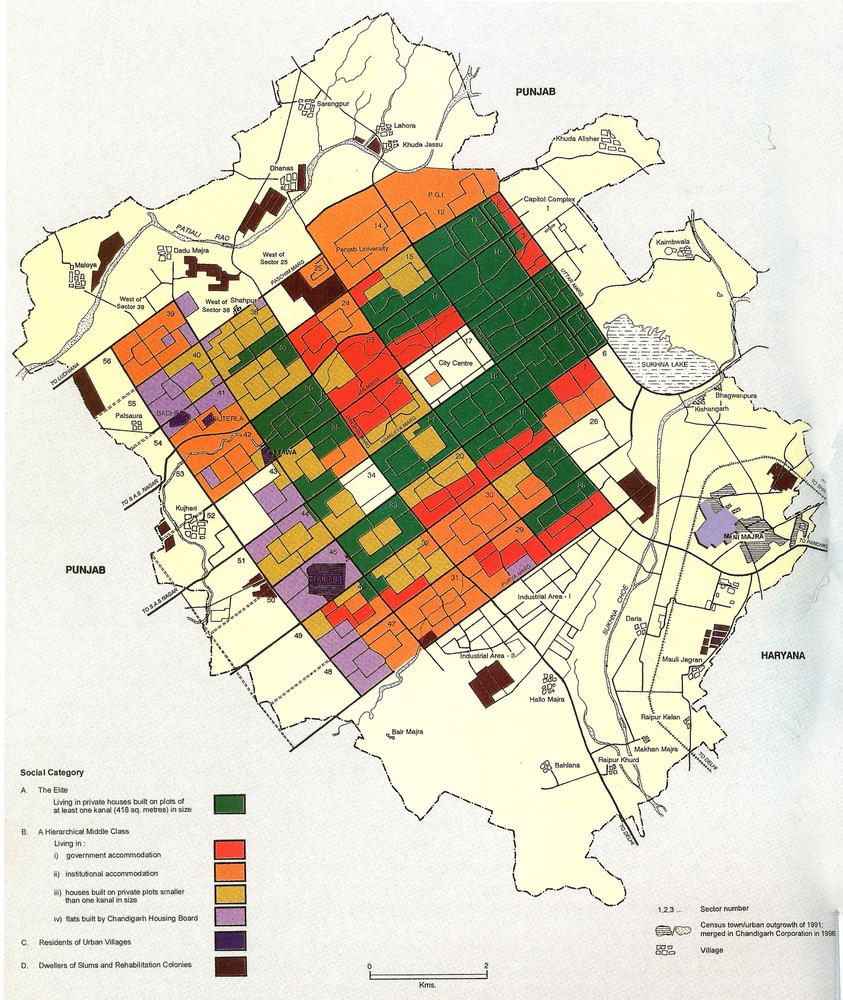
Le Corbusier’s master plan for Chandigarh, India, is a renowned example of modernist urban design and architecture. The city reflects his vision of a functional, efficient, and human-centered city. Commissioned by the Punjabi government in the early 1950s to be a new capital post-Indian independence, the layout for Chandigarh employed a grid-based organization divided into self-contained sectors containing essential amenities such as markets, schools, and recreational spaces. The initial plan, designed by American architect Albert Mayer and his collaborator Matthew Nowicki, was inspired by the European Garden City model. Le Corbusier was later brought in to further develop this plan according to his own design philosophy. Central to Corbusier’s design was the Capitol Complex, which represented the "head" of the city, symbolizing its governing and administrative power. The government buildings in this complex, such as the High Court, Secretariat, and Legislative Assembly, exemplify Le Corbusier's "Five Points of Architecture." Architecturally, they featured pilotis (supporting columns), open floor plans, horizontal windows, free façades, and rooftop gardens.The city’s center acts as the "heart," and a hub for gathering. The city’s commercial center acts as the "stomach," driving its economic and social activity. The industrial area serves as the "limbs," representing the city's working and productive force. The city's green spaces act as the "lungs," providing open areas for fresh air, recreation, and environmental balance. The road network functions as the "circulatory system," ensuring smooth transportation and connectivity across the city. Le Corbusier also emphasized the integration of nature, incorporating green belts and open spaces to enhance livability. His approach to Chandigarh combined aesthetic innovation with practical urban planning, creating a city that remains a benchmark for modernist architecture and planning.
Project Leads
- Le Corbusier
- Le Corbusier-Pierre Jeanneret studio
Organizations
- Mayer, Whittlesey & Glass
- Punjabi Government
- Le Corbusier-Pierre Jeanneret studio
Stages
- Master Planning
Site
Typology
City planning, master planningLand use type
Mixed DevelopmentSize
Population of 1.5 millionPopulation/density
9,258 people per km²Gross floor area
114 km²